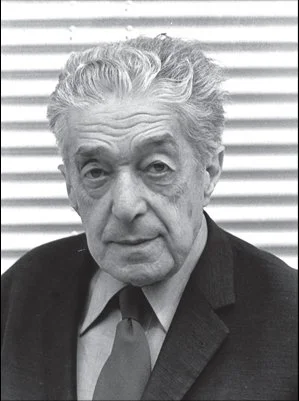
Art Against Oblivion
„With my paintings I have created a memorial for all nations.
No one should ever experience such or any similar disaster,
regardless of religion, race or political conviction!‟
Adolf Frankl
Artist and Holocaust-Survivor
Artistic Work
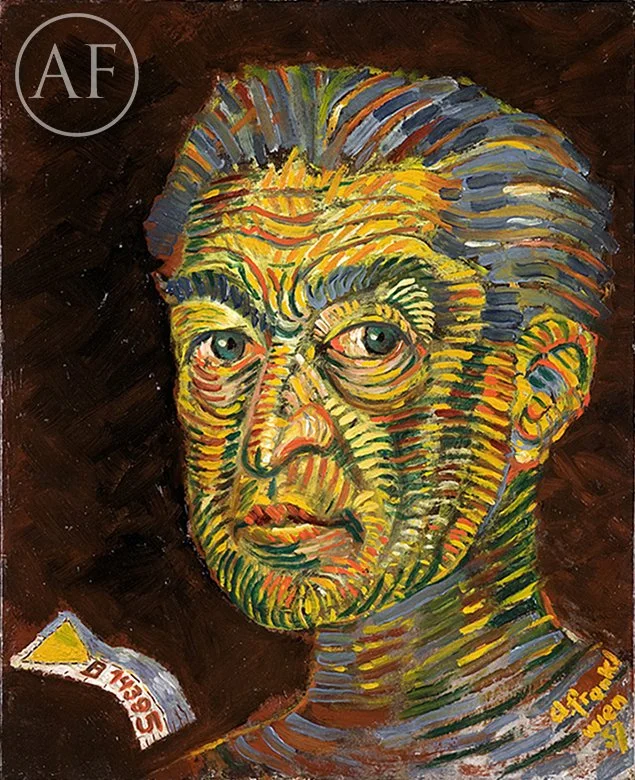
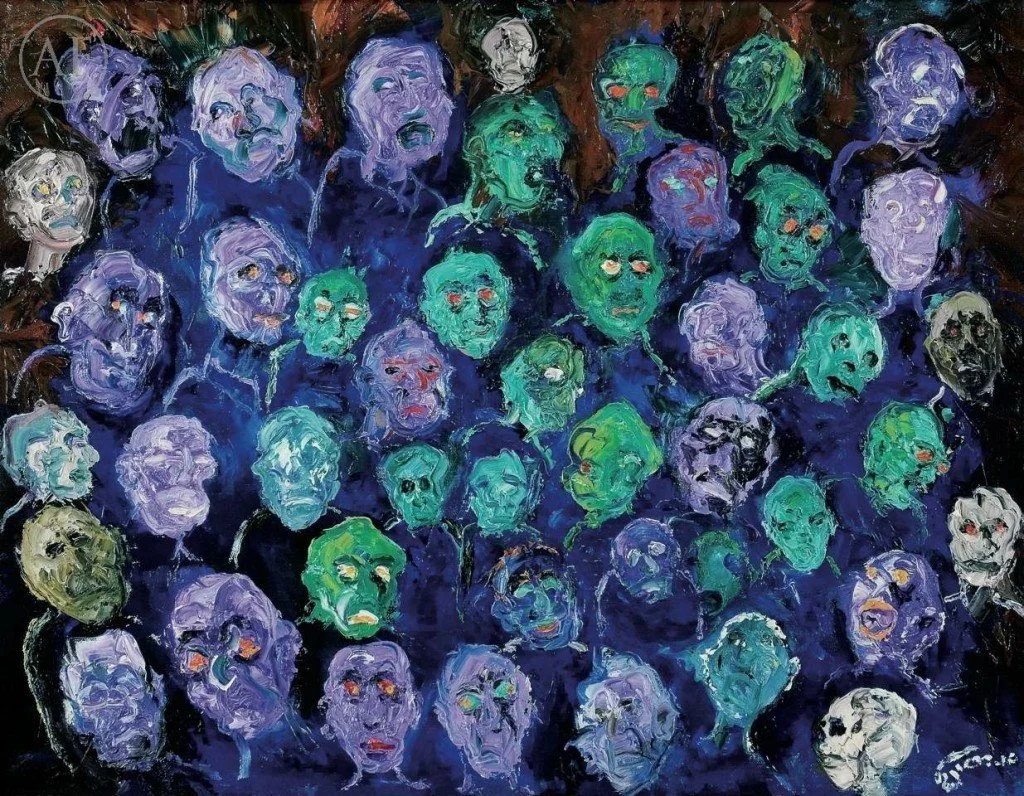
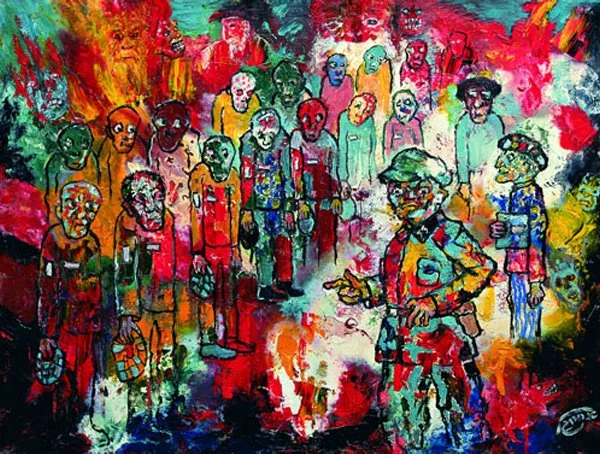
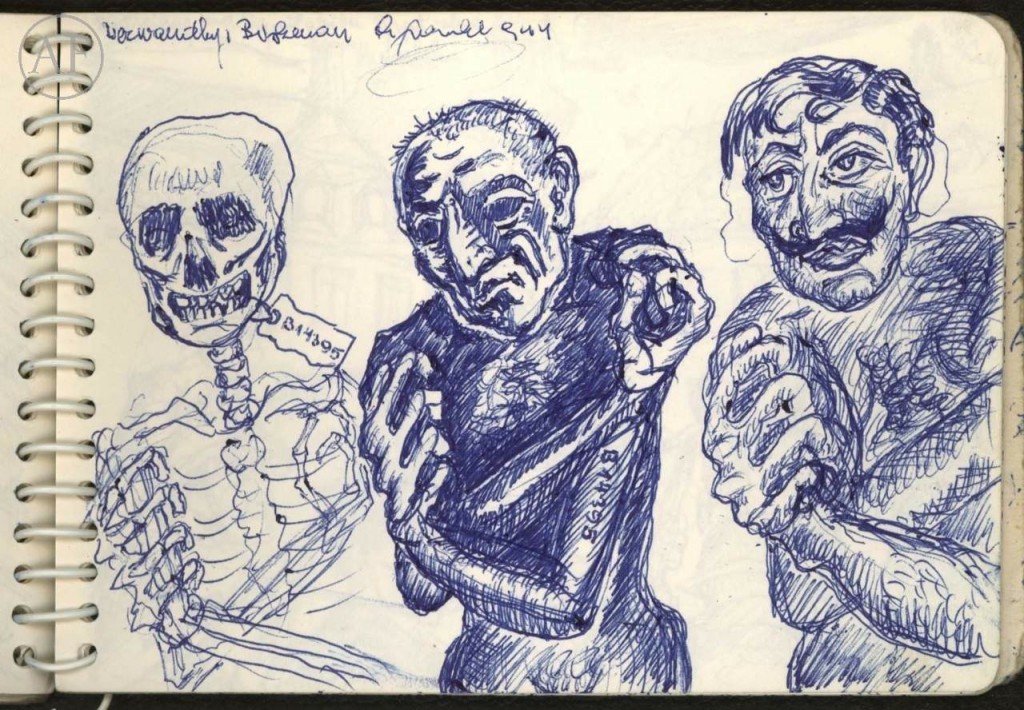
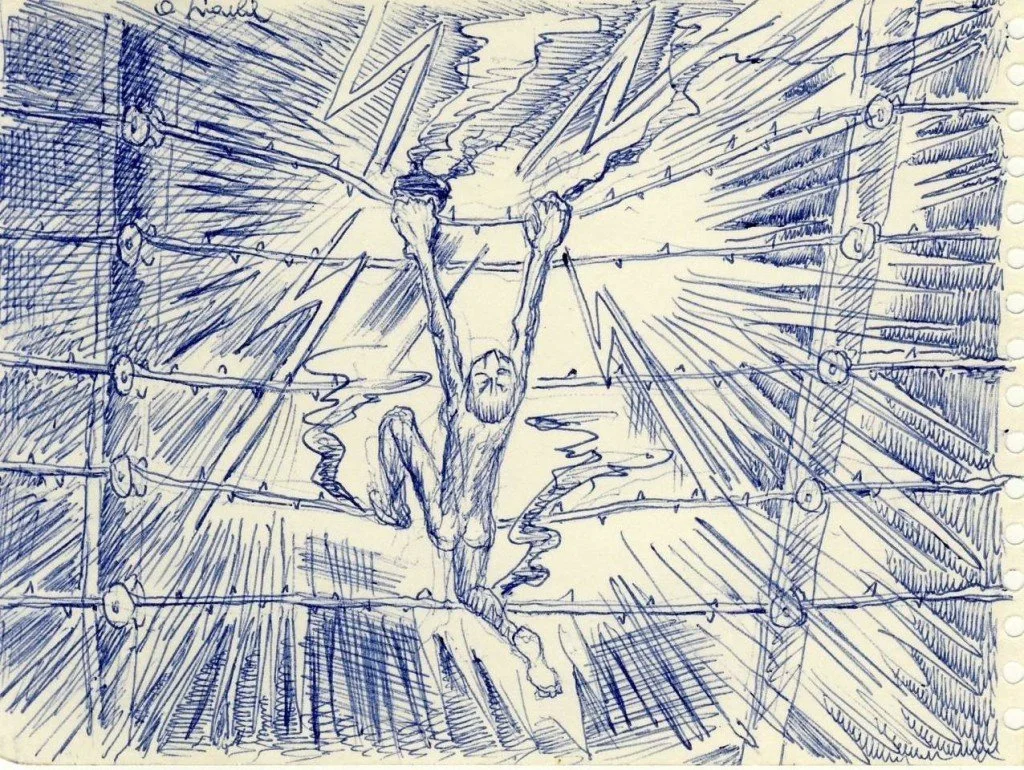
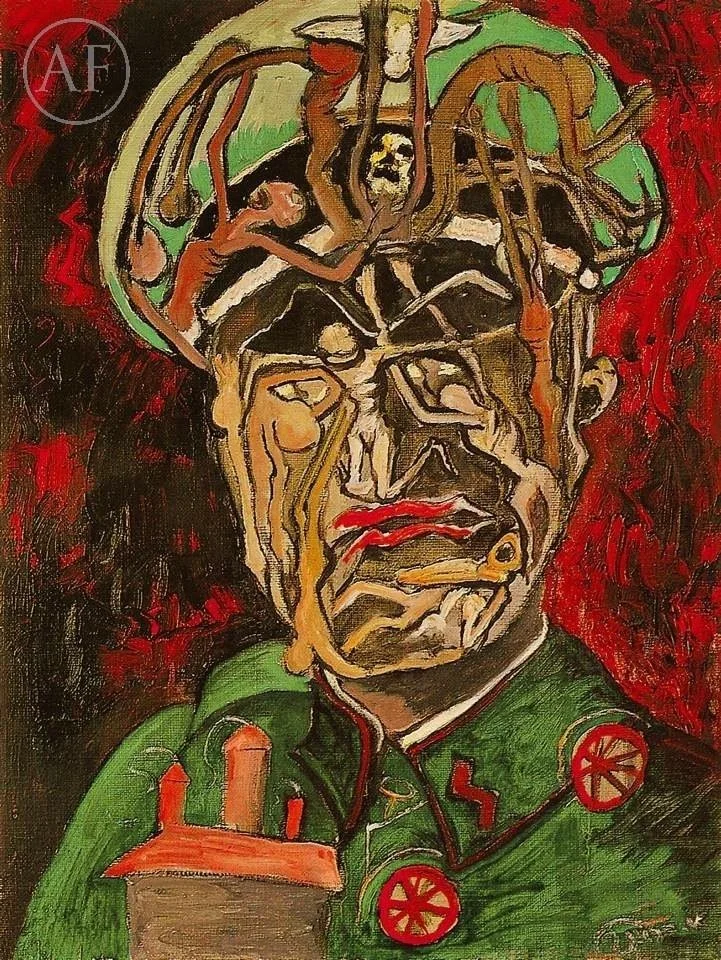
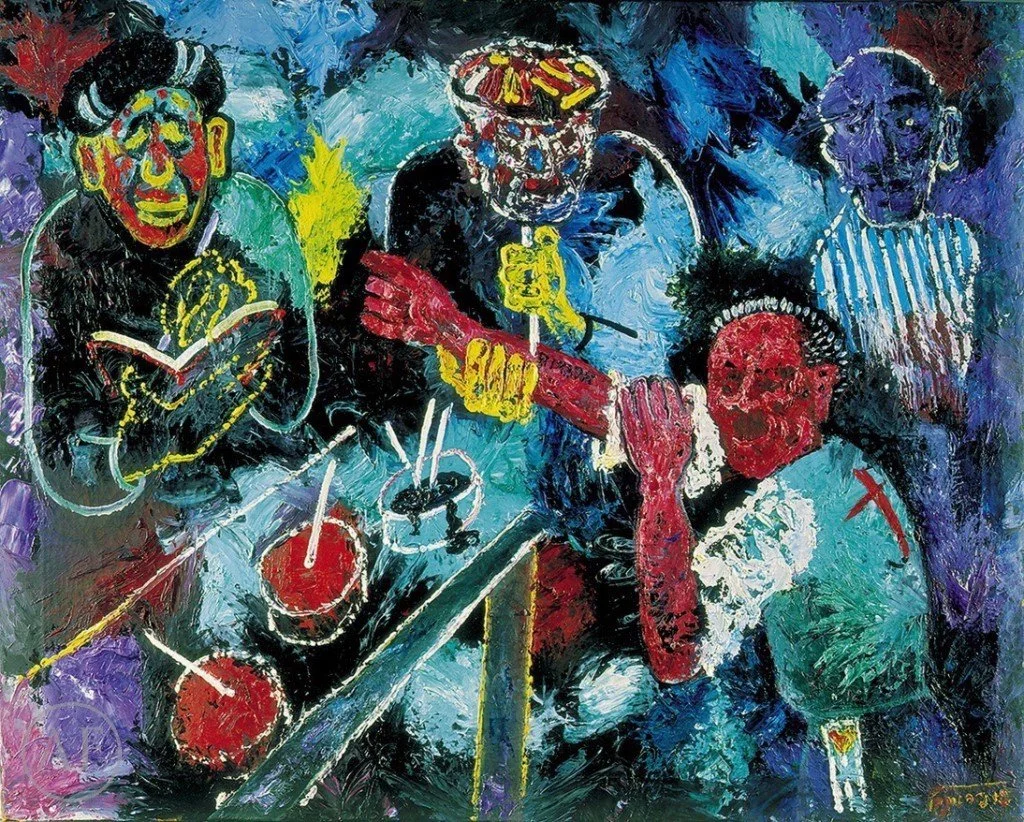
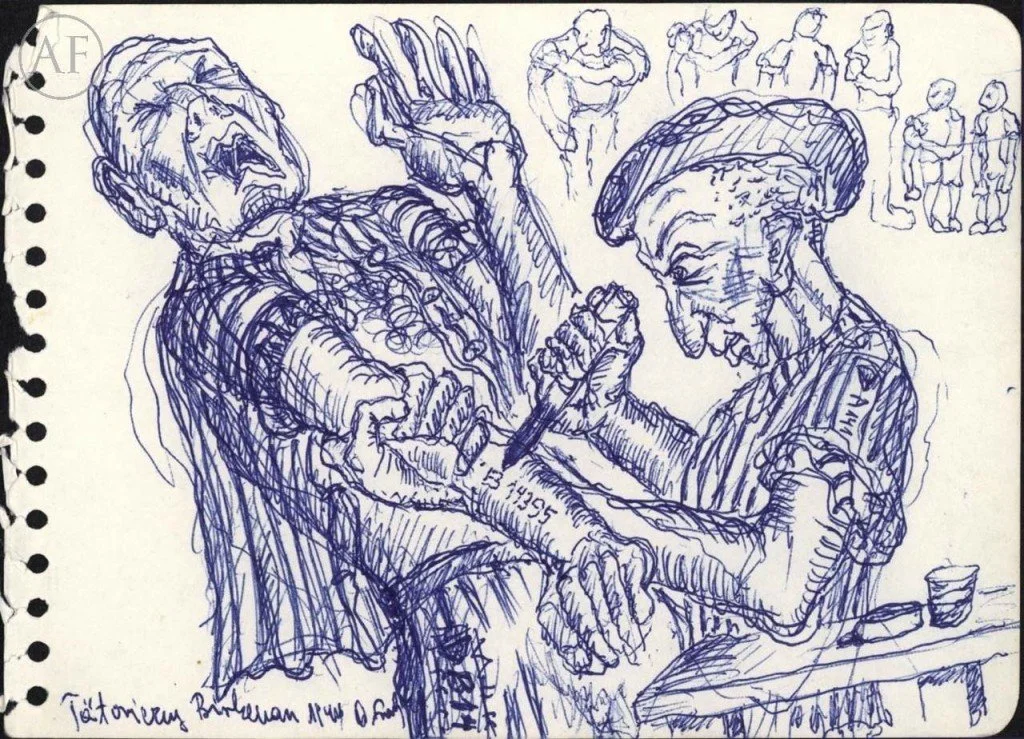
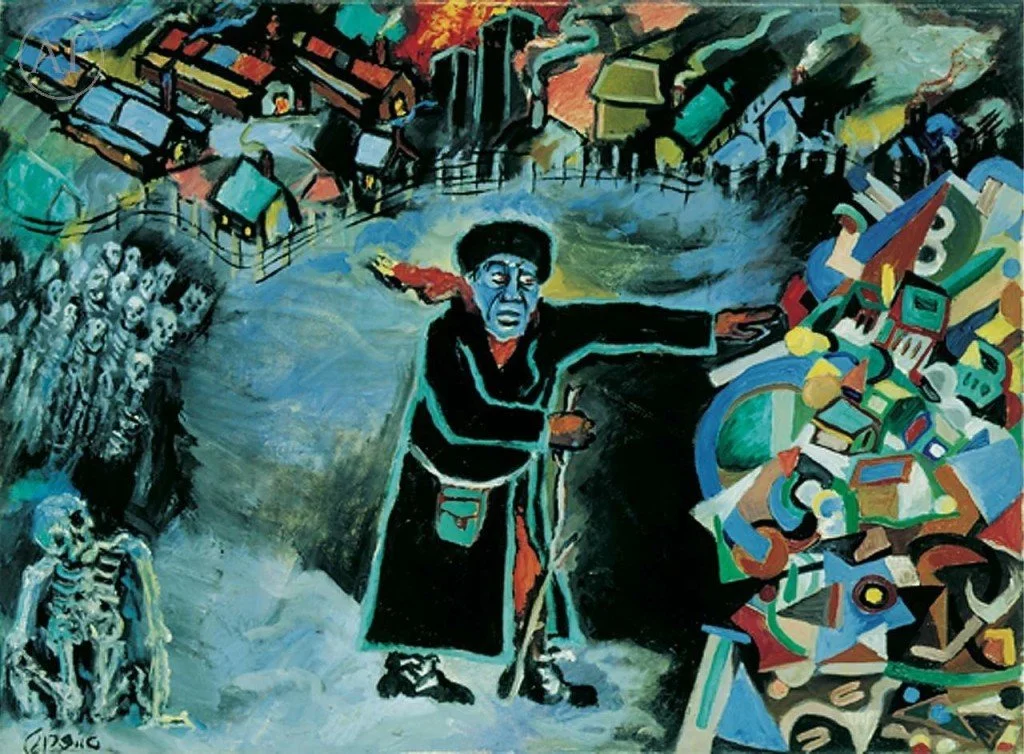
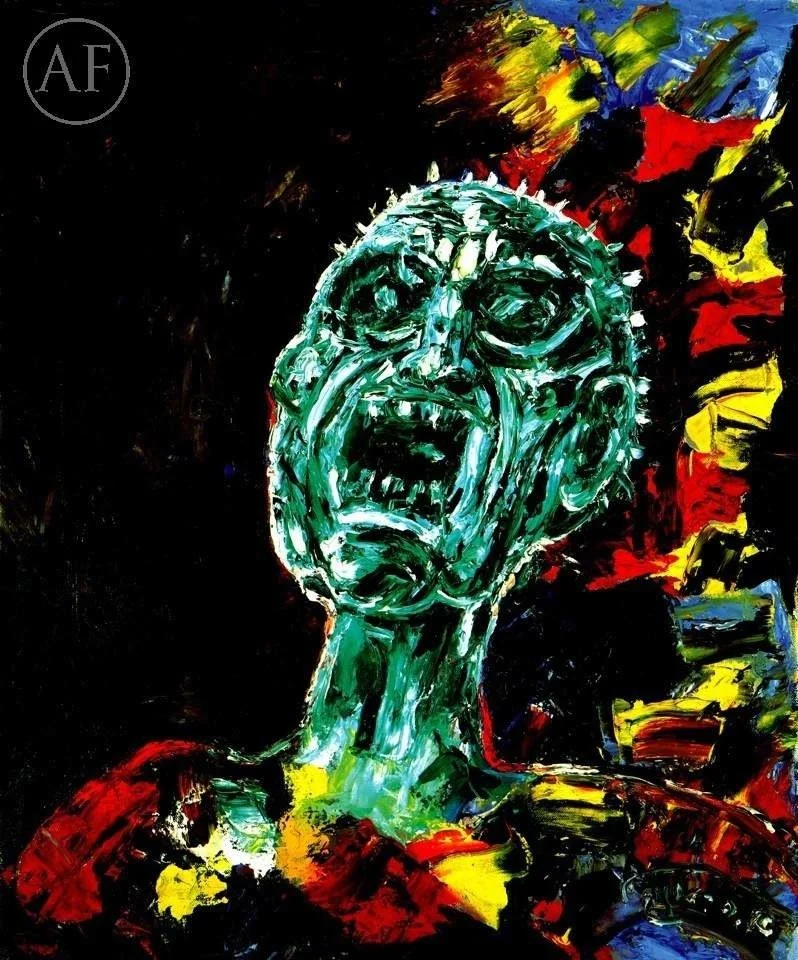
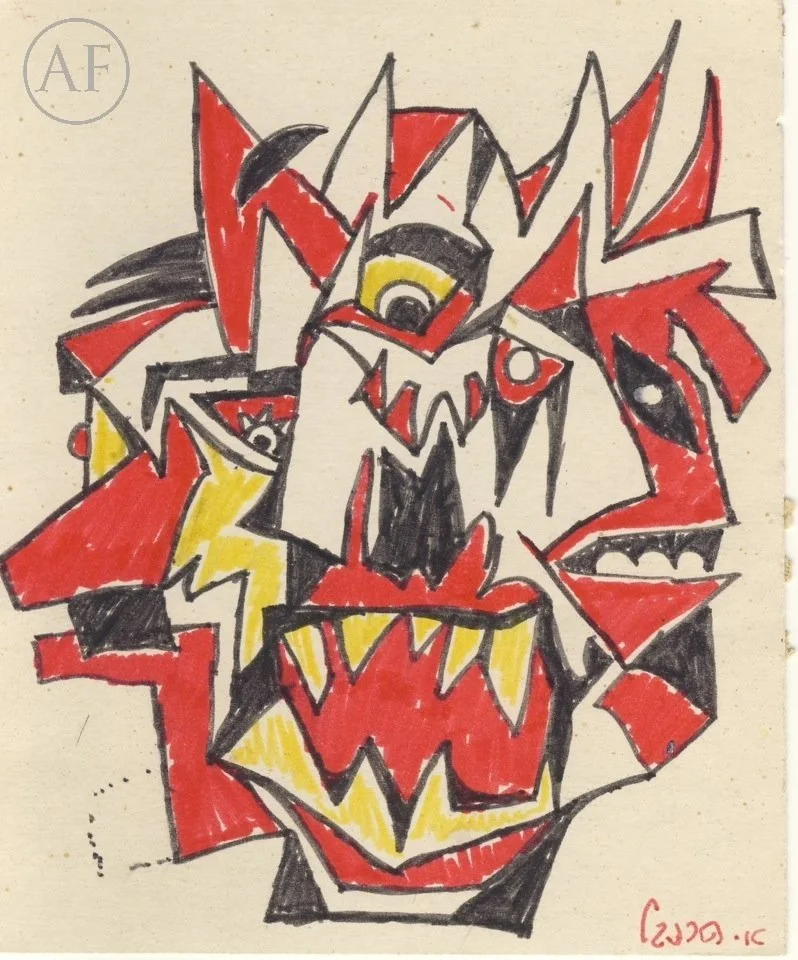
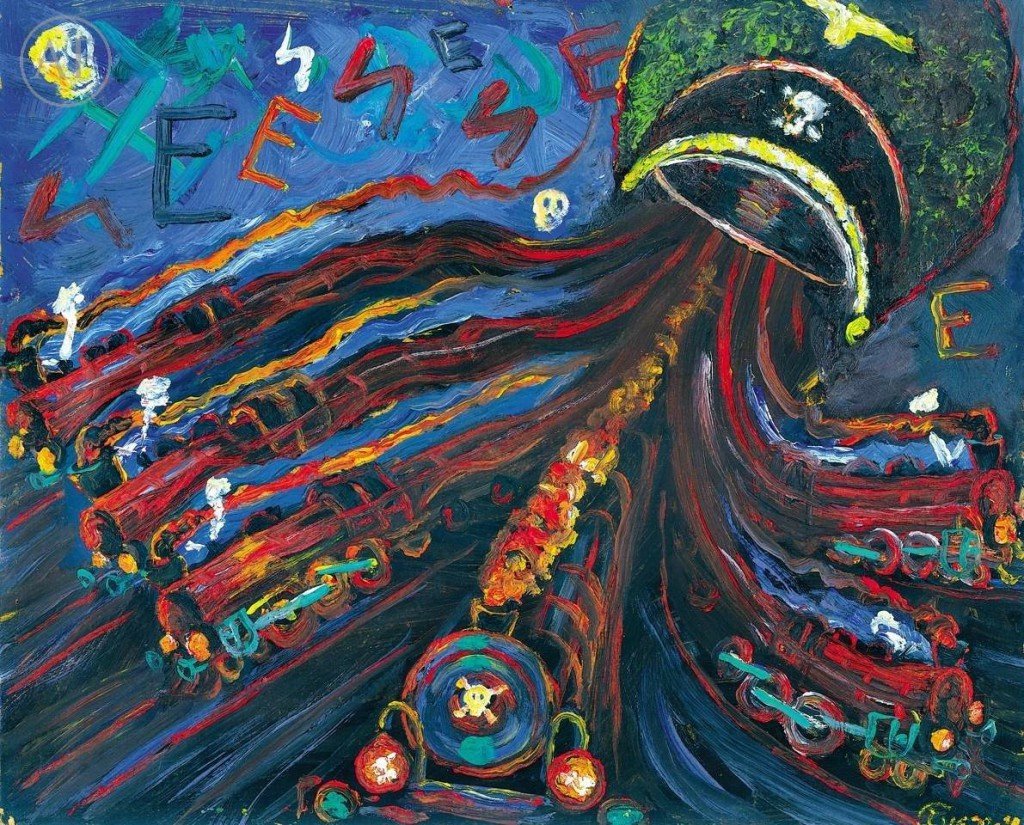
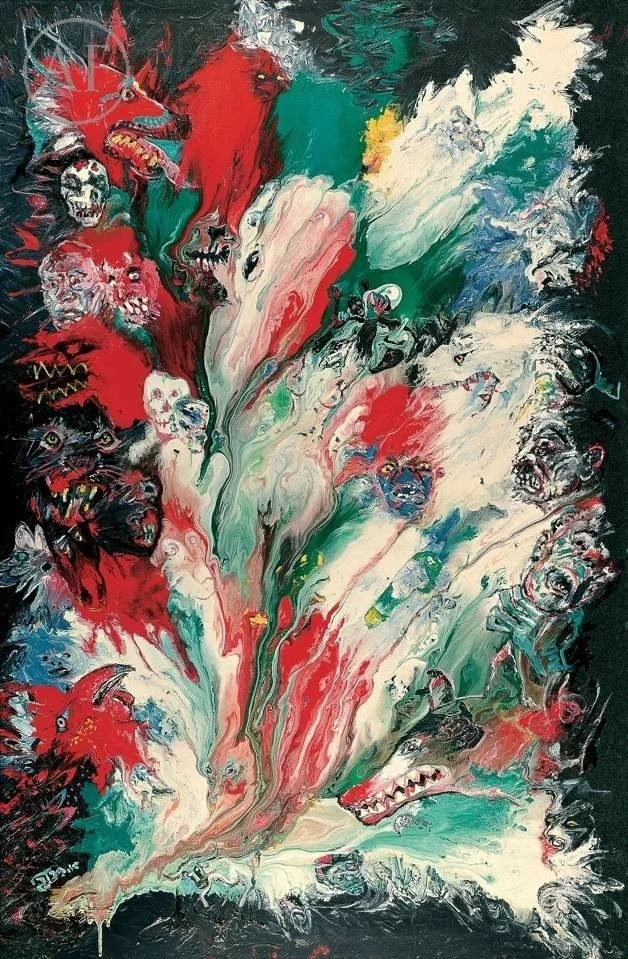
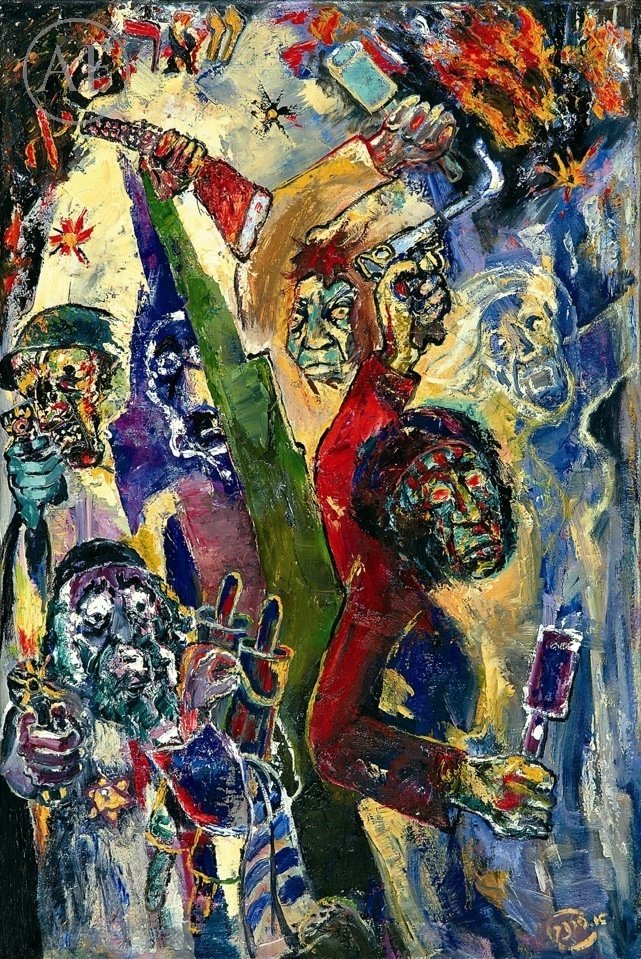
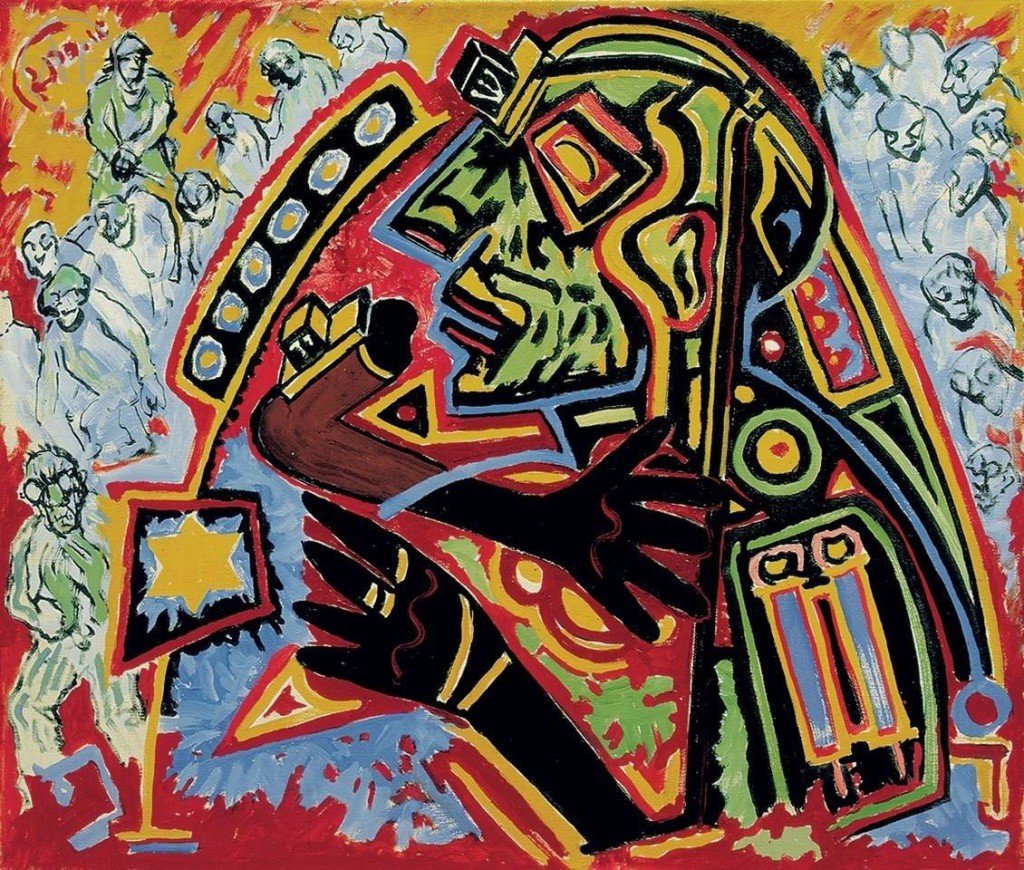
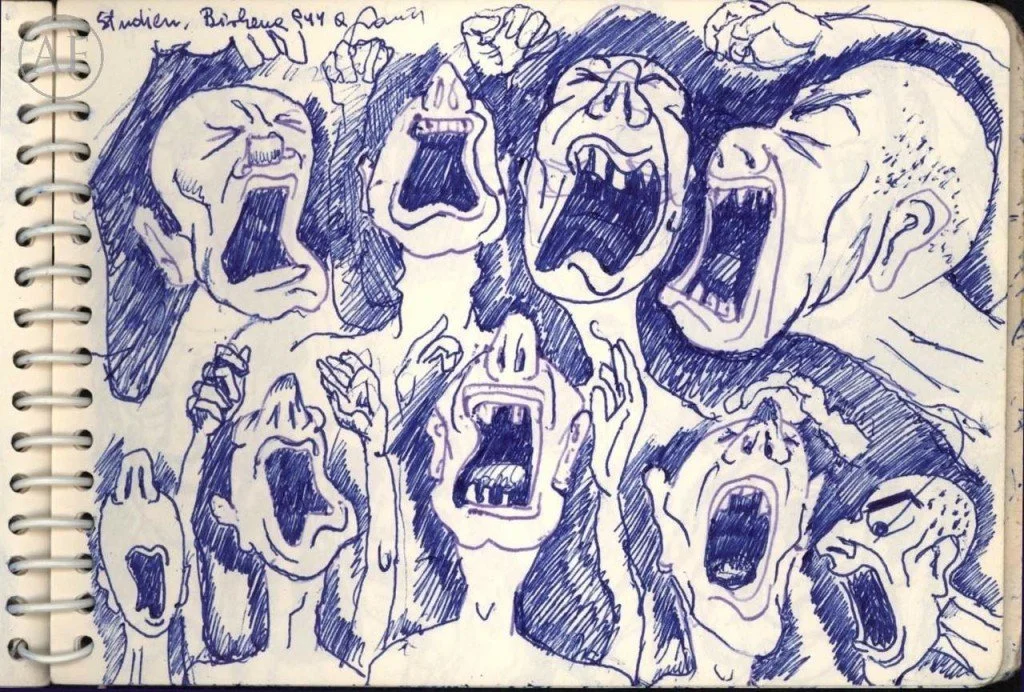
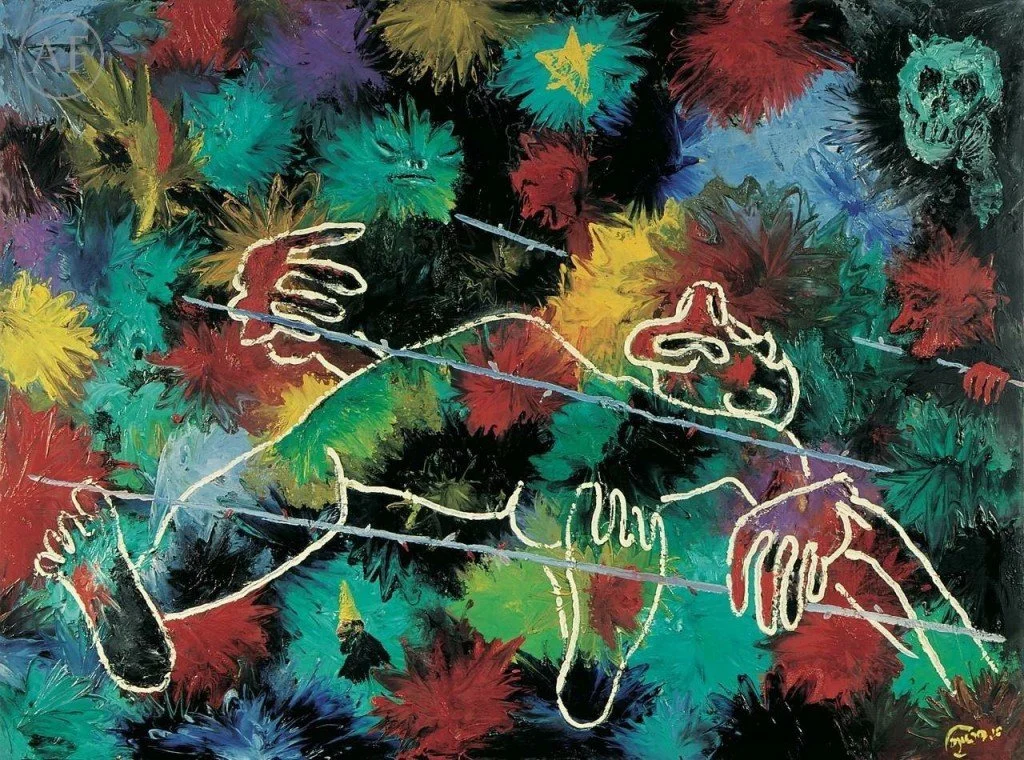
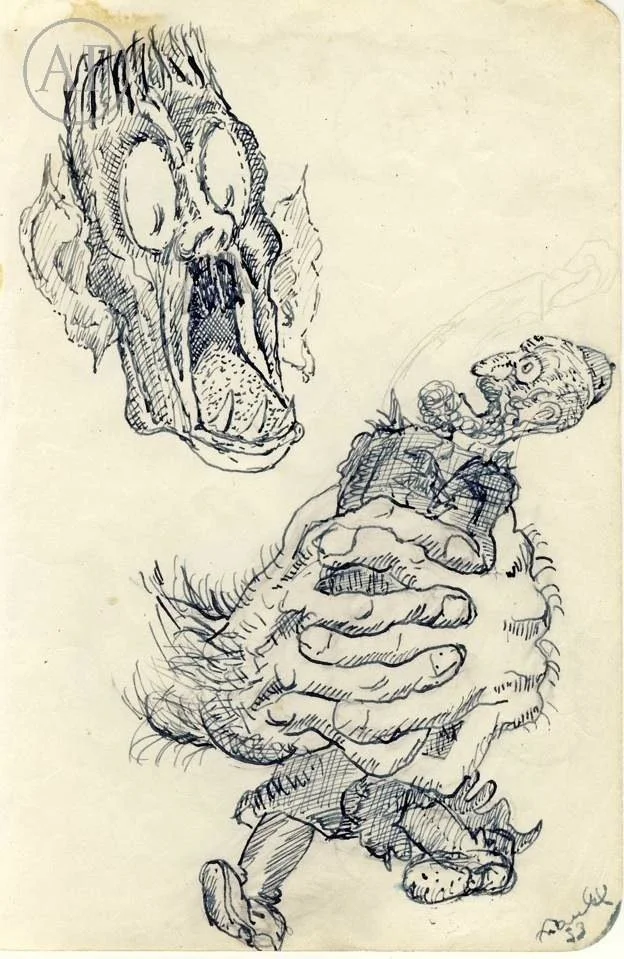
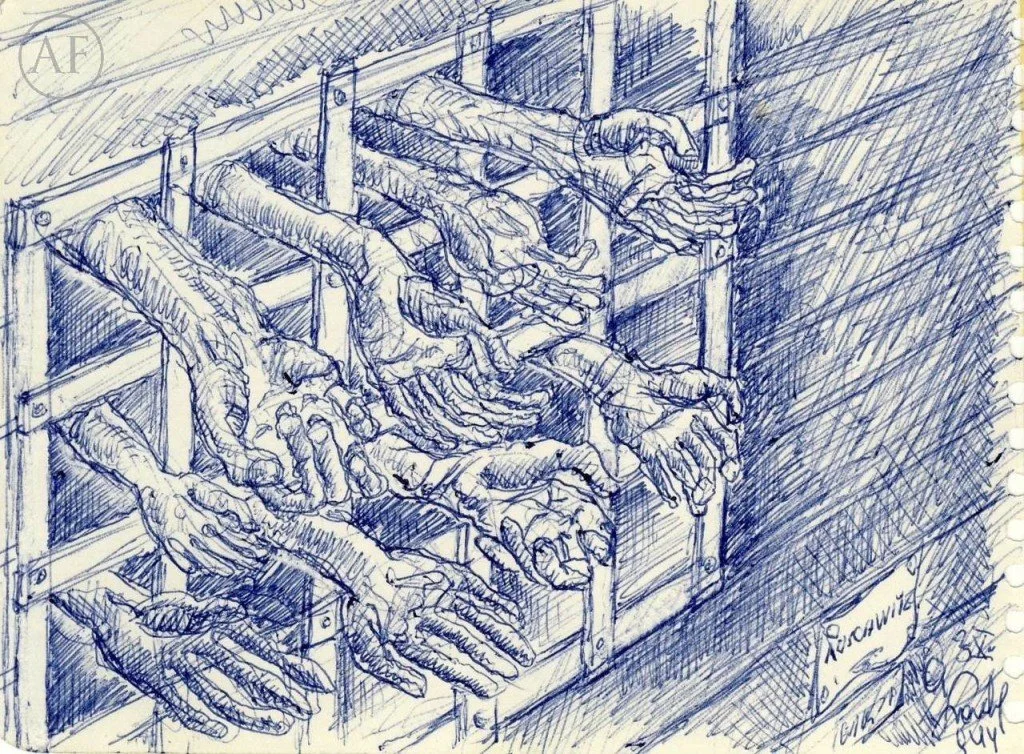
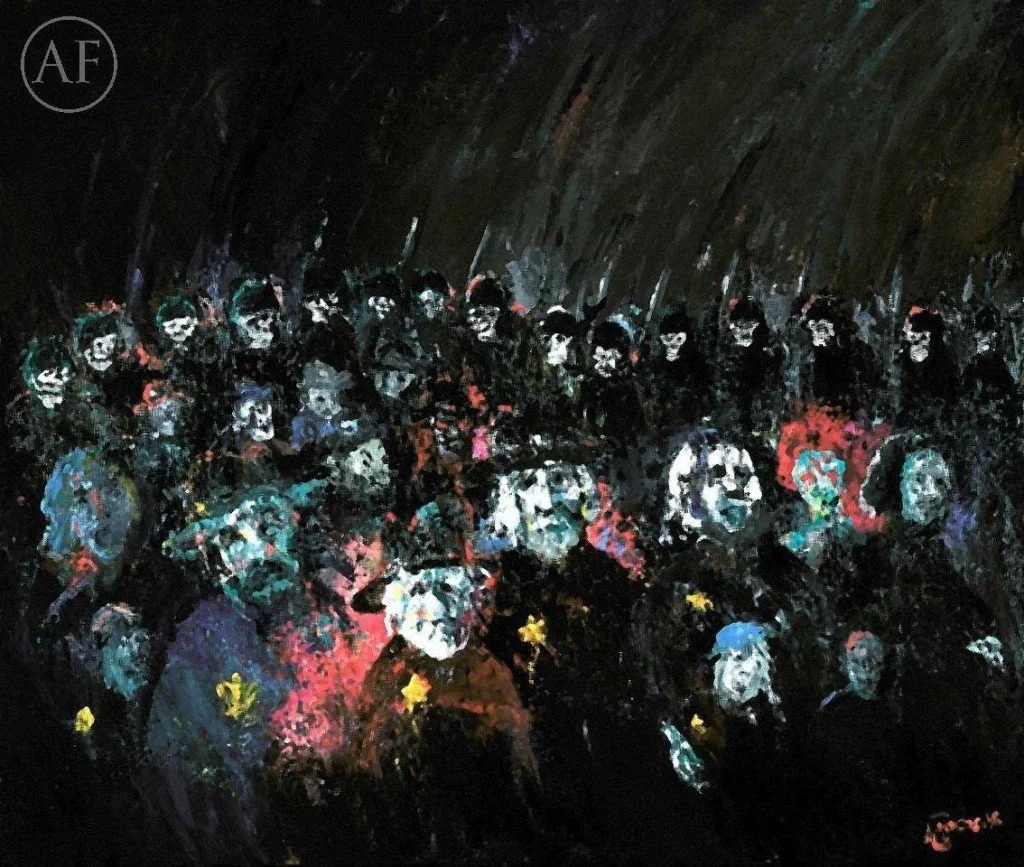
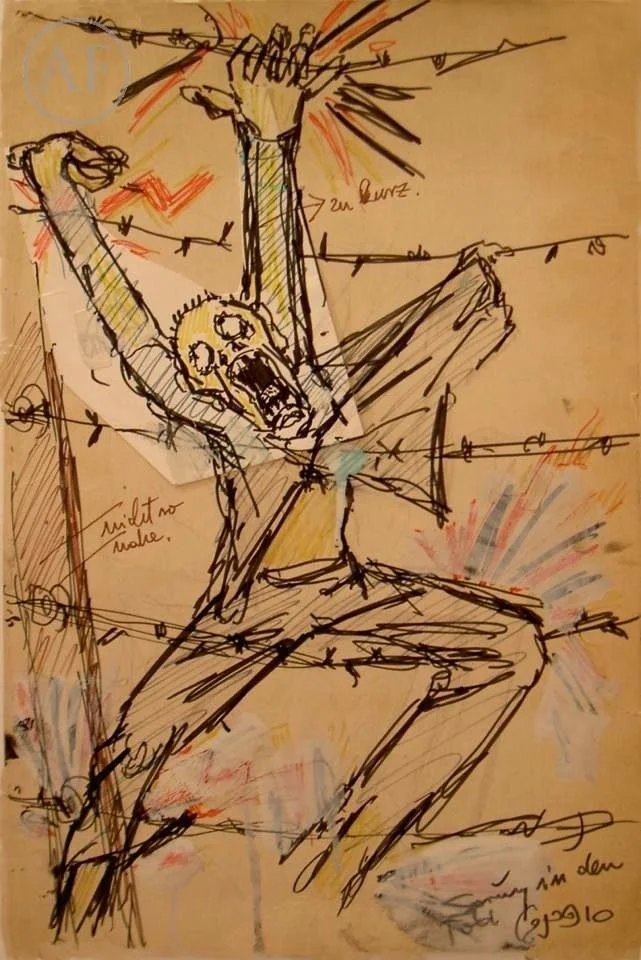
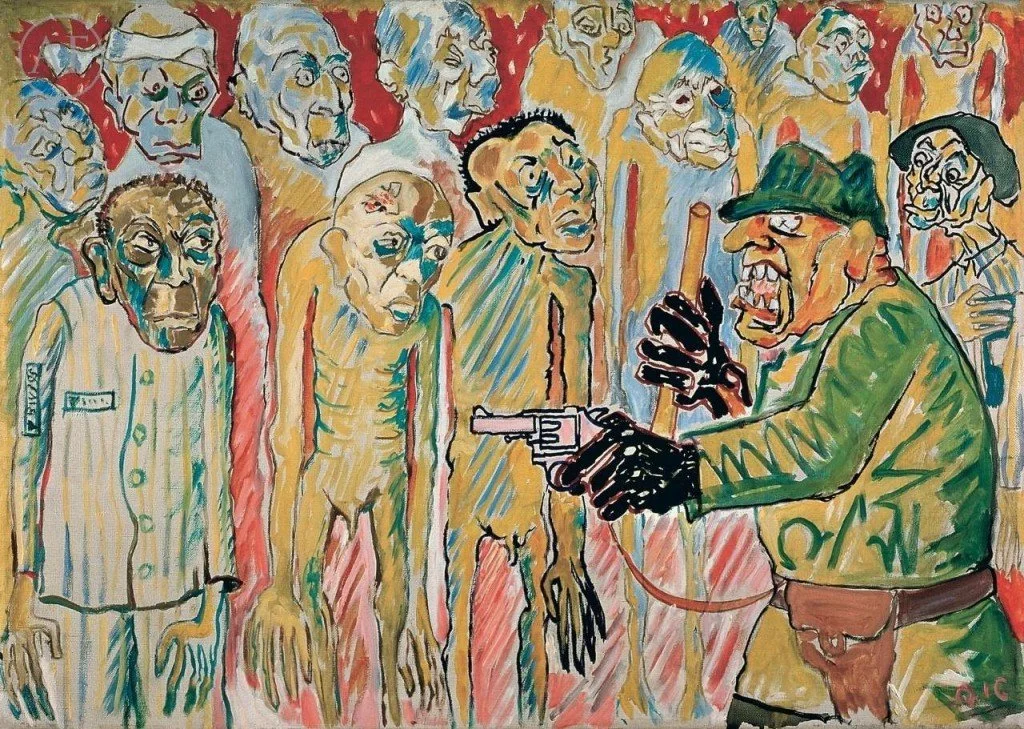
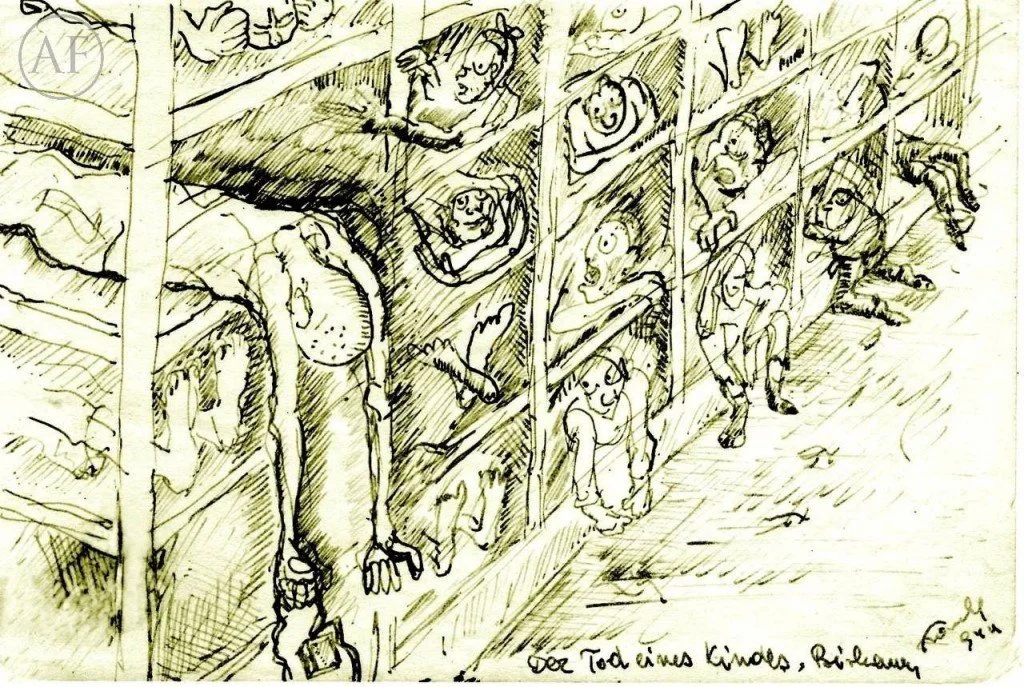
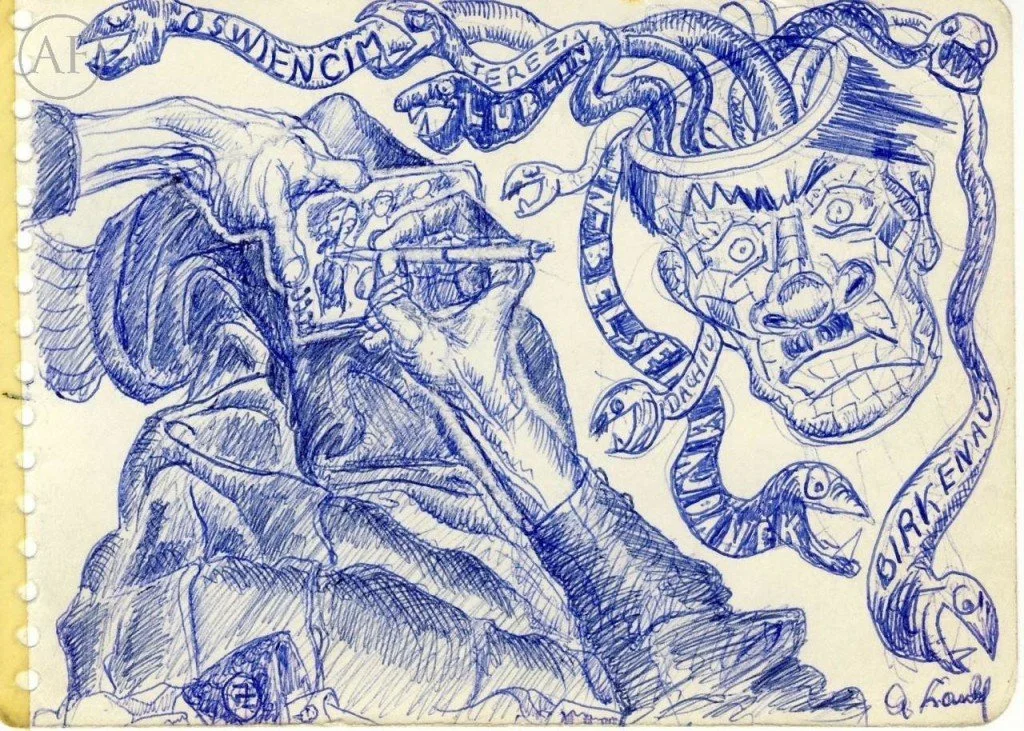
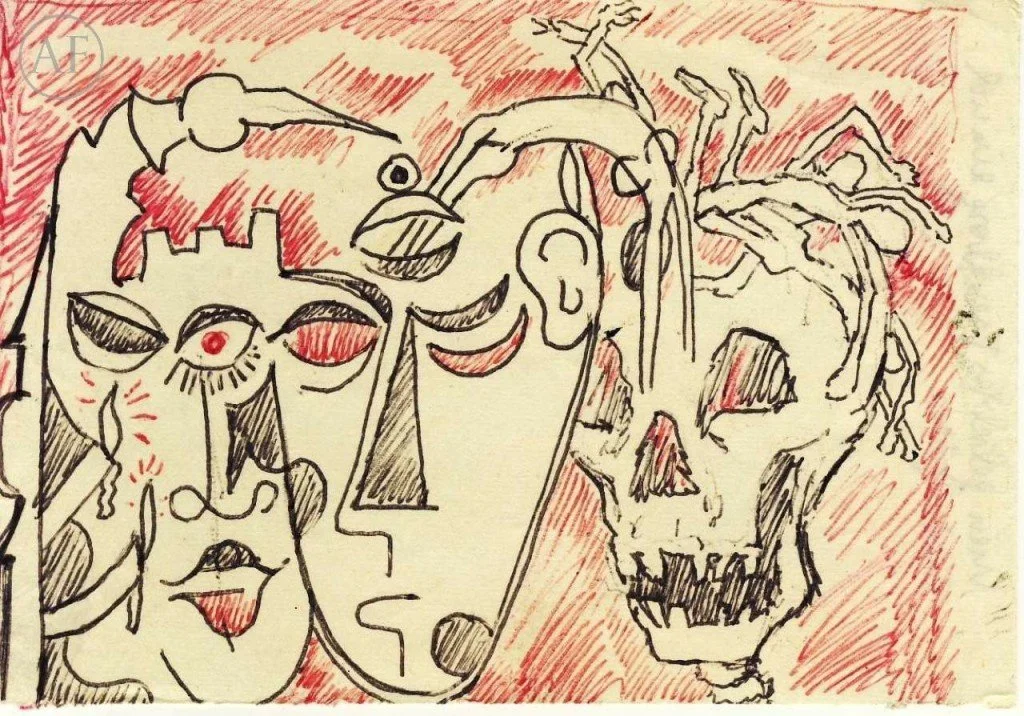
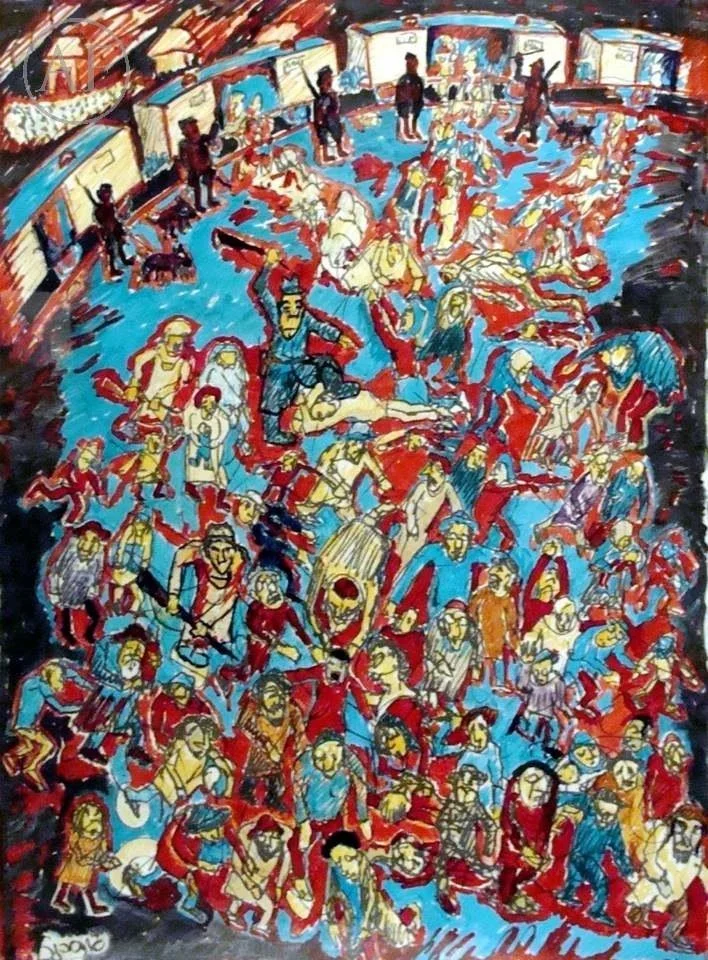
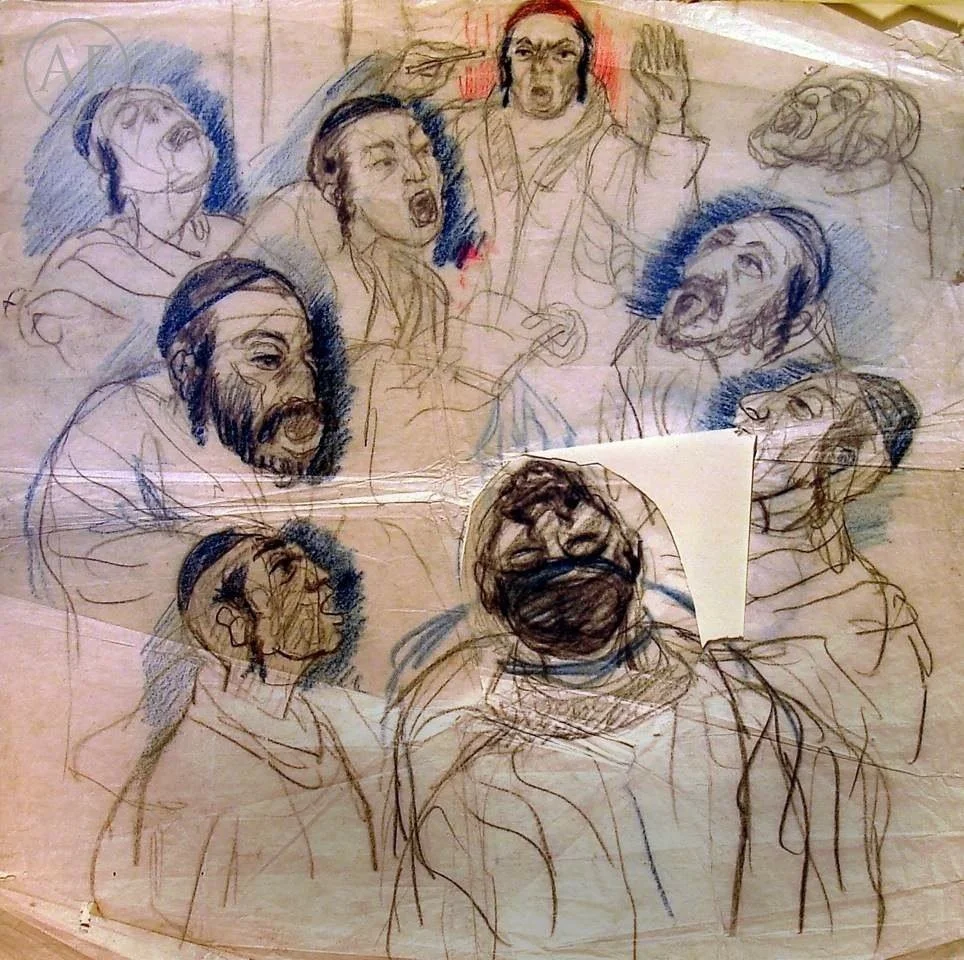
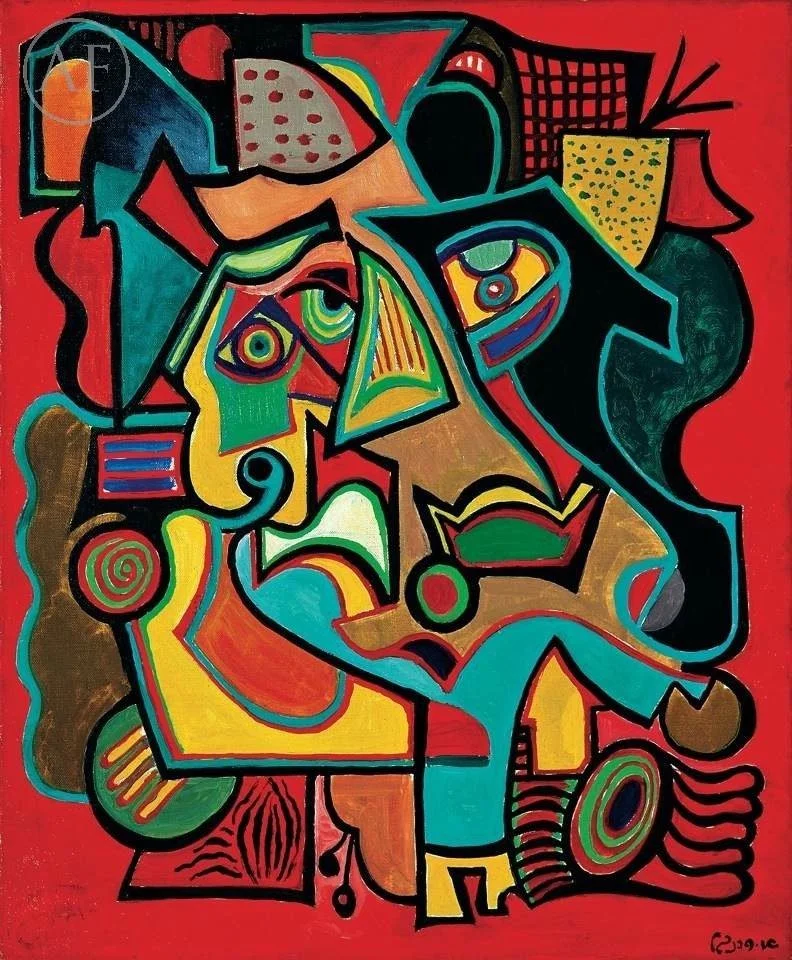
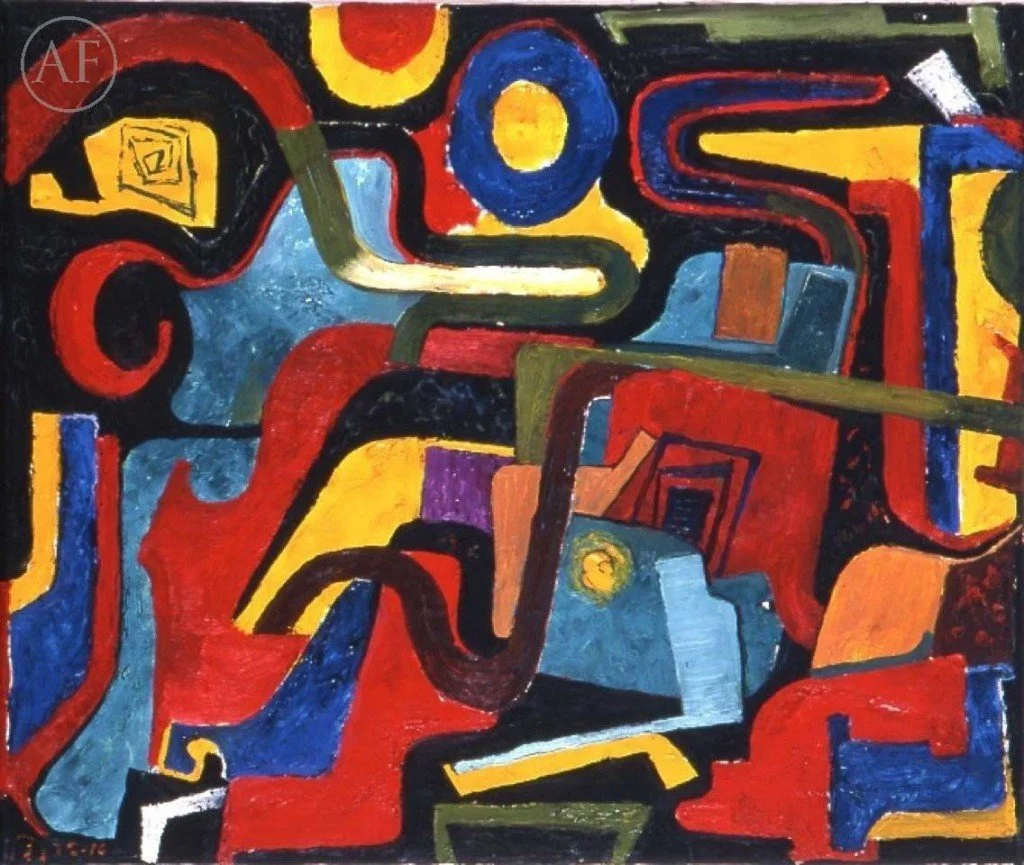
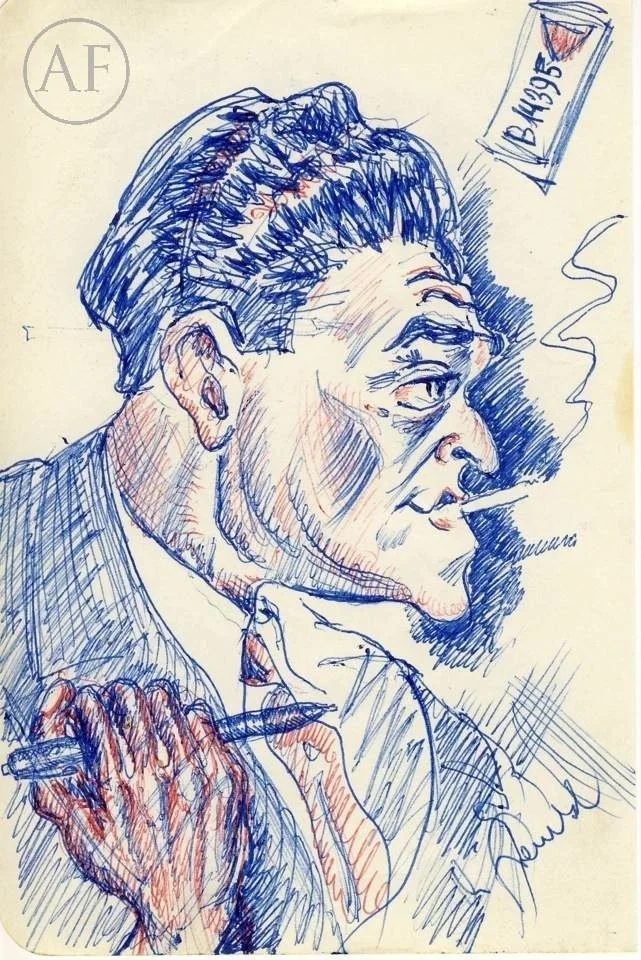
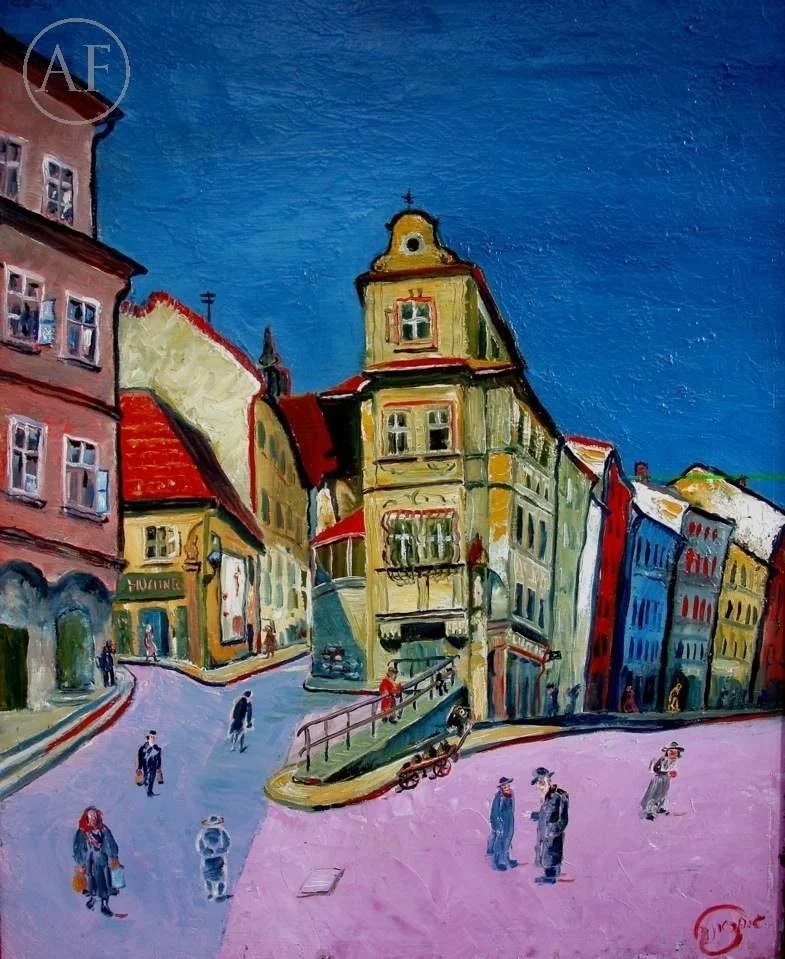
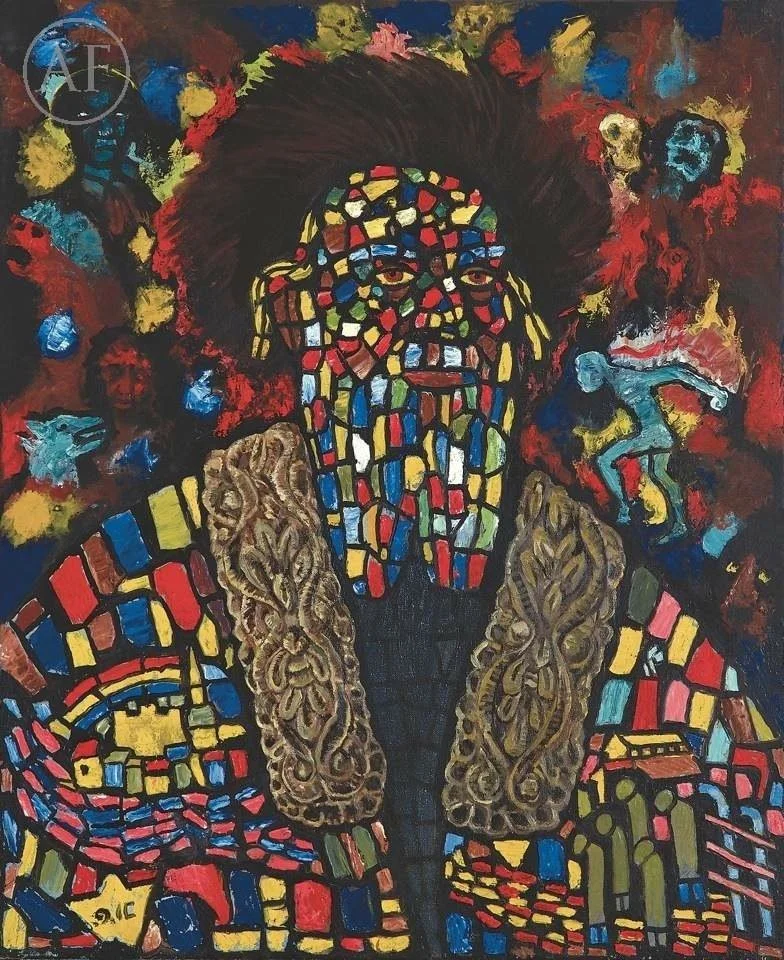
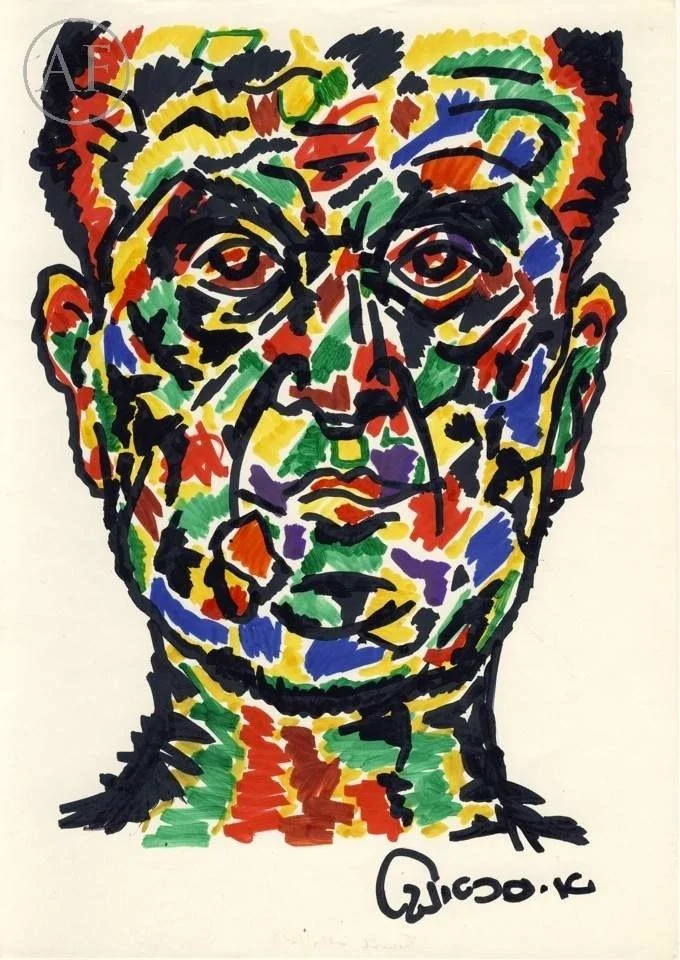
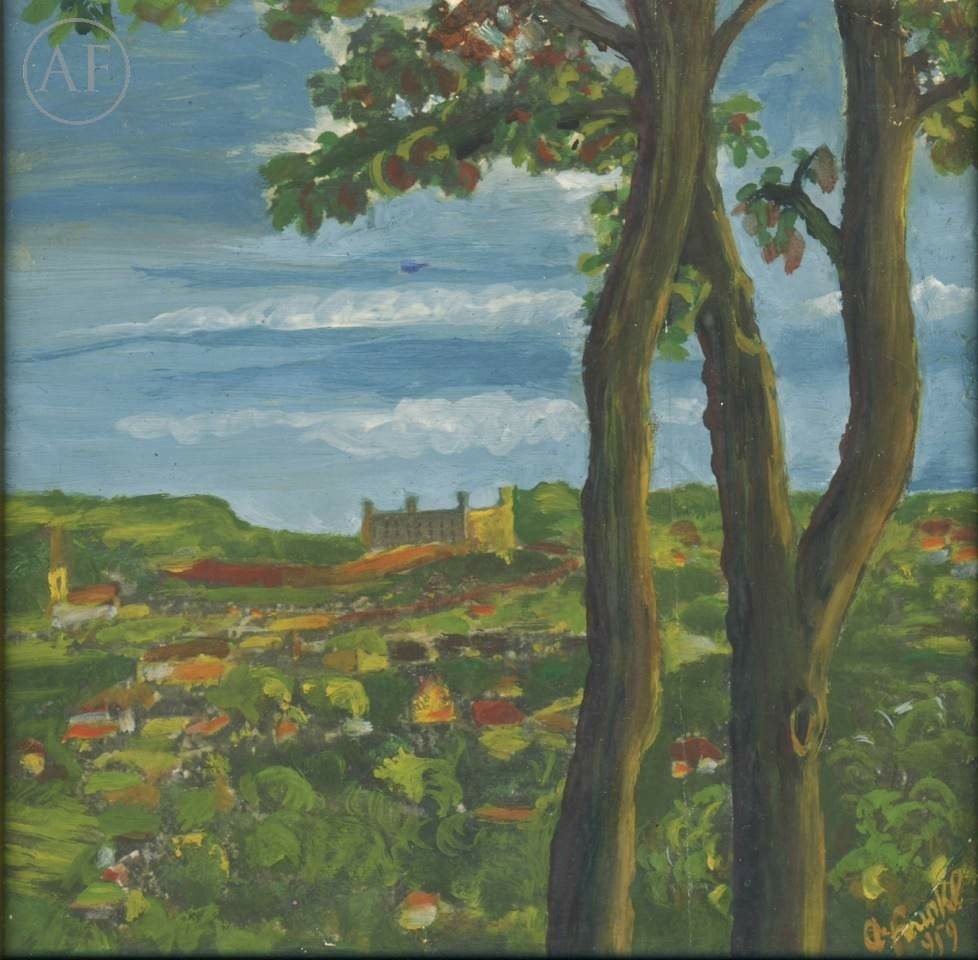
As a survivor of the Auschwitz concentration camp, Adolf Frankl began processing his traumatic Holocaust experiences in paintings and graphic works after the war. He documented the horrific experiences, sometimes in depictions of arrest scenes and events from the concentration camp, as well as in demonic ghost images and portraits of various Nazi figures.
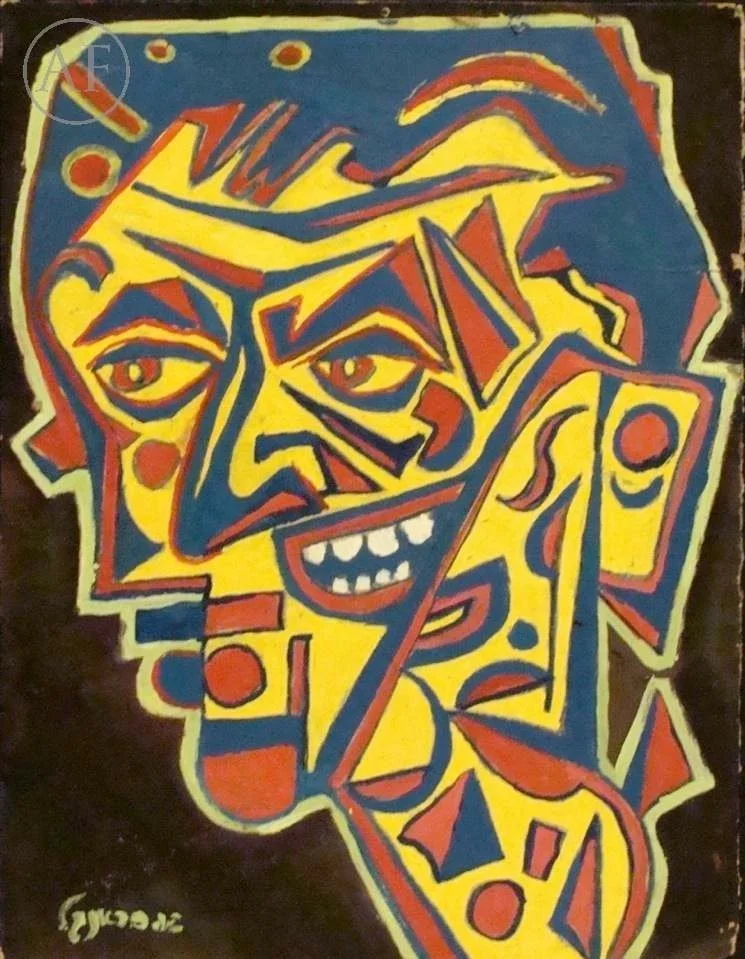
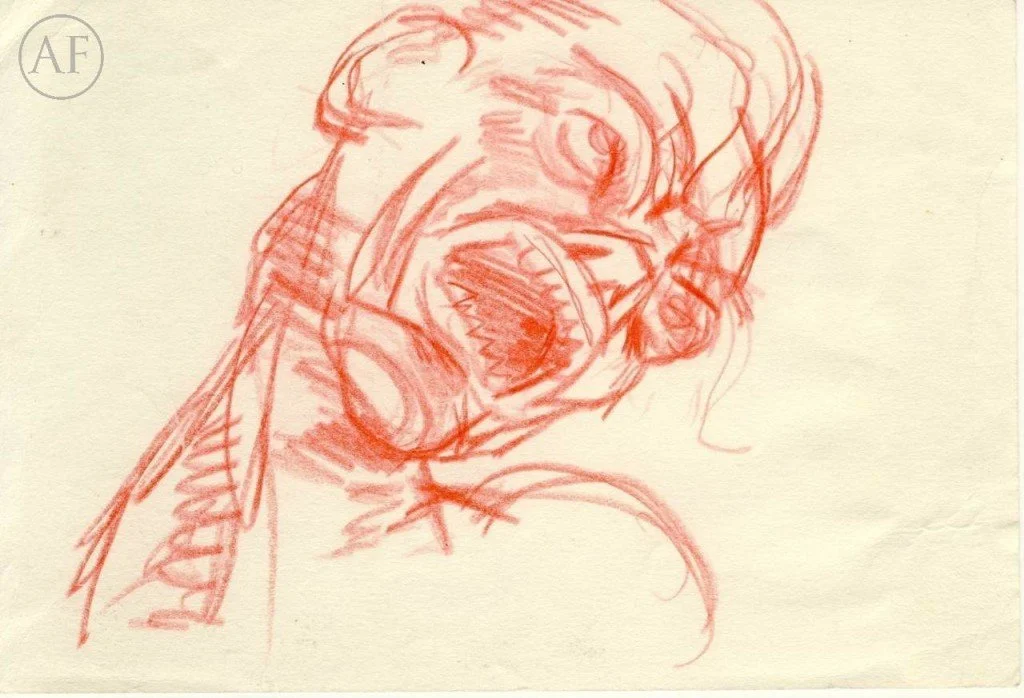
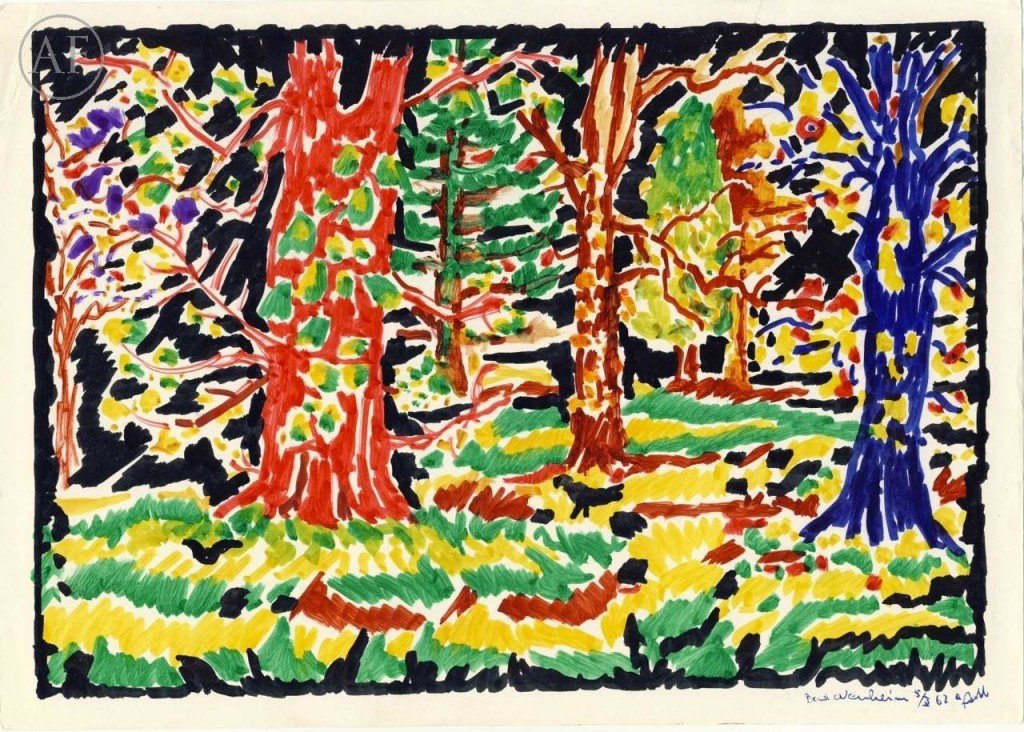
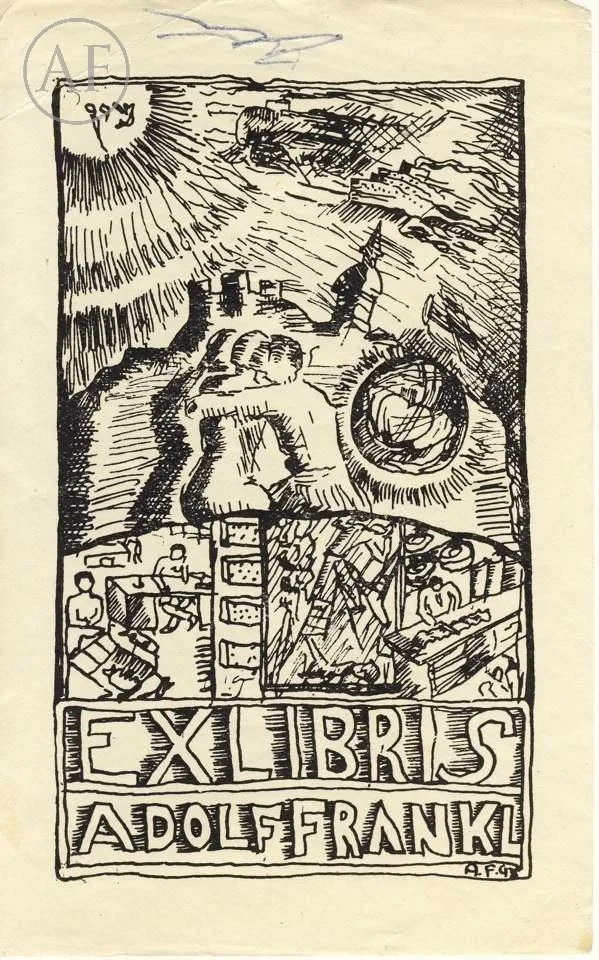
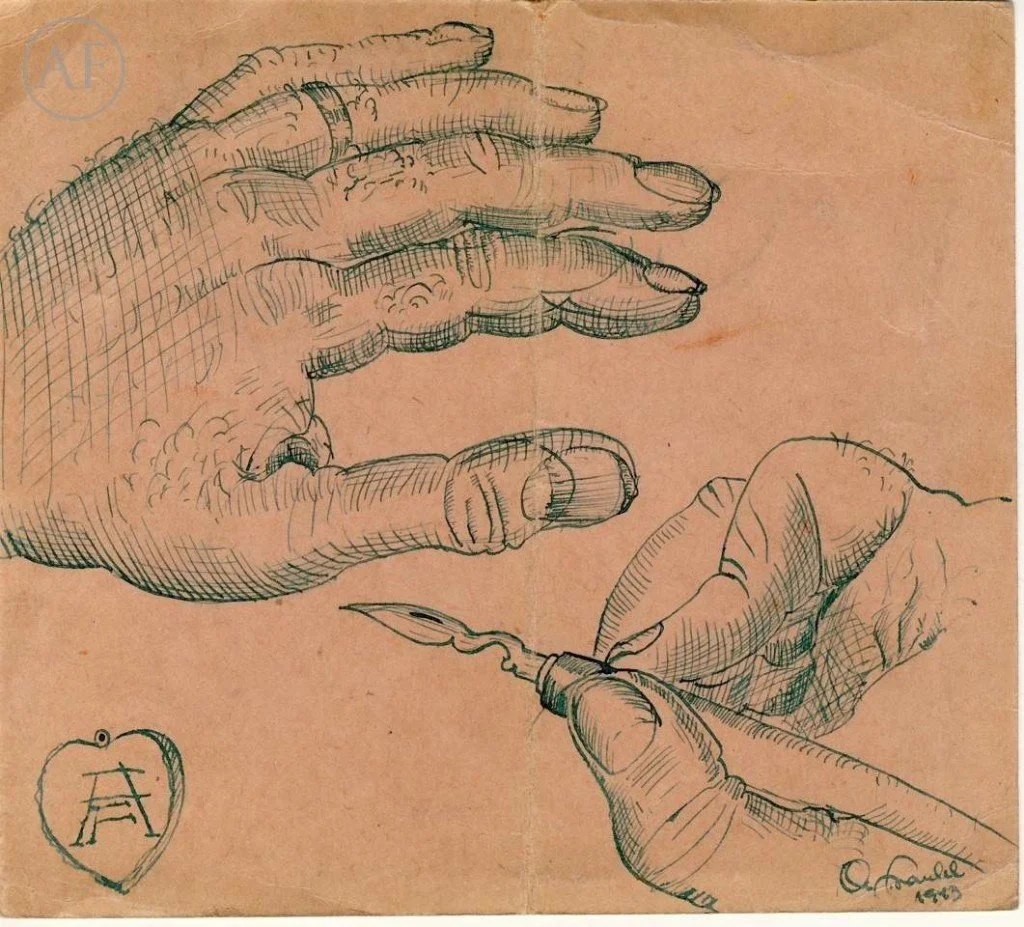
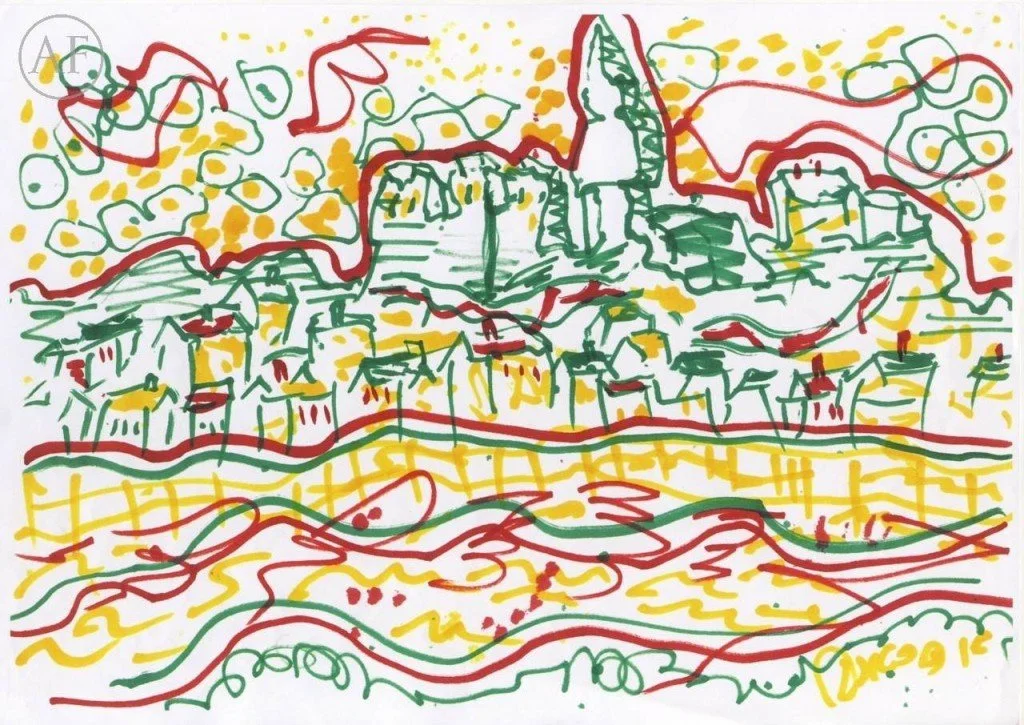
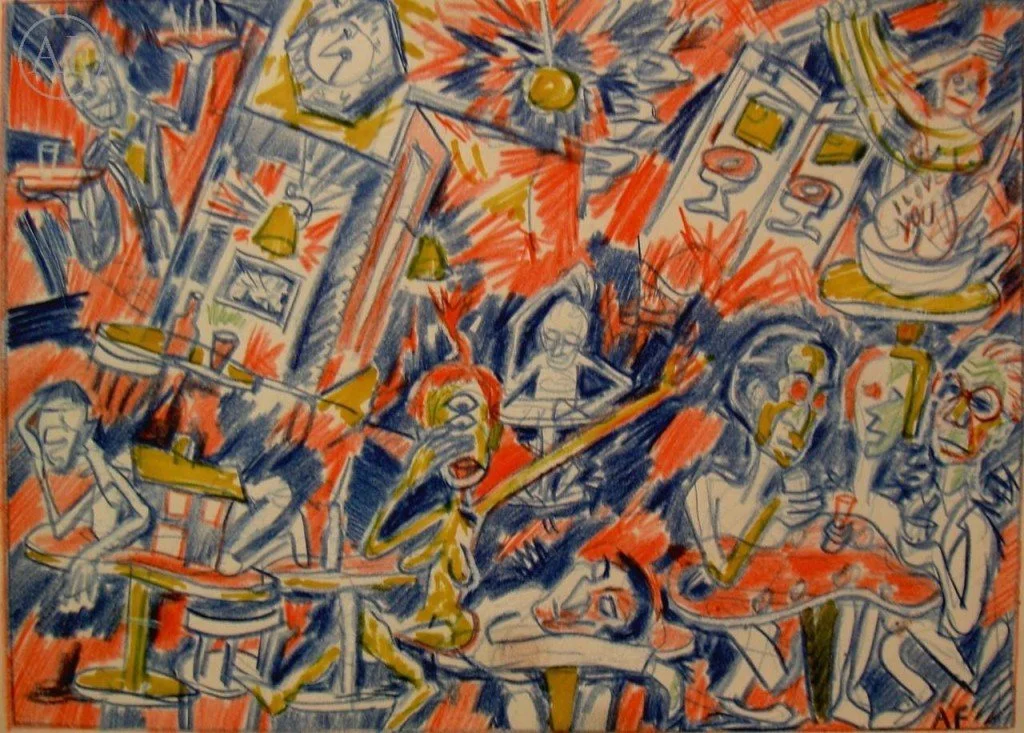
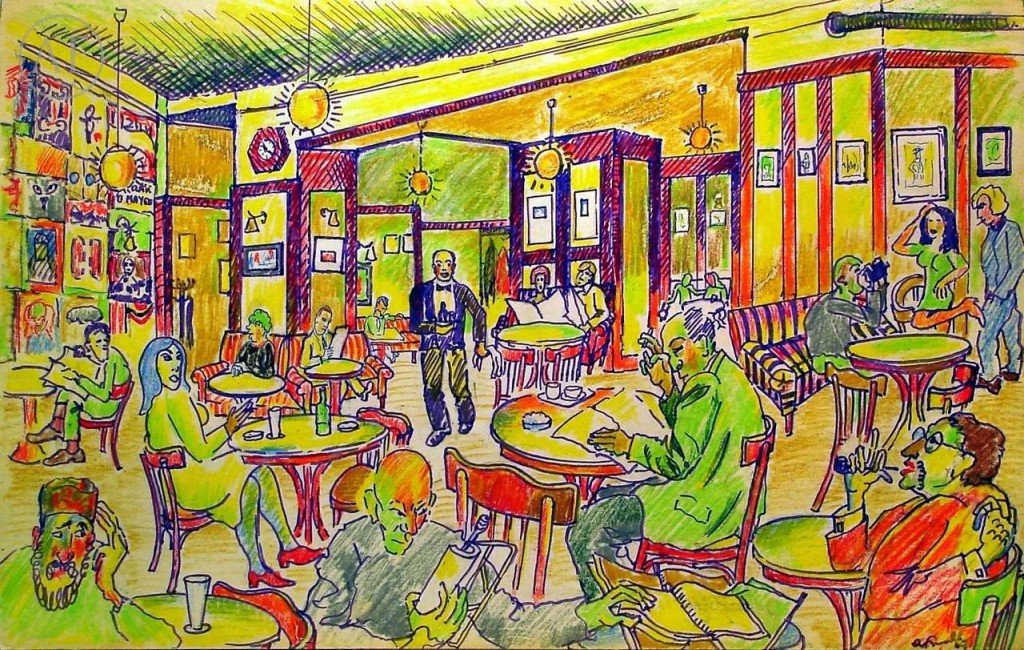
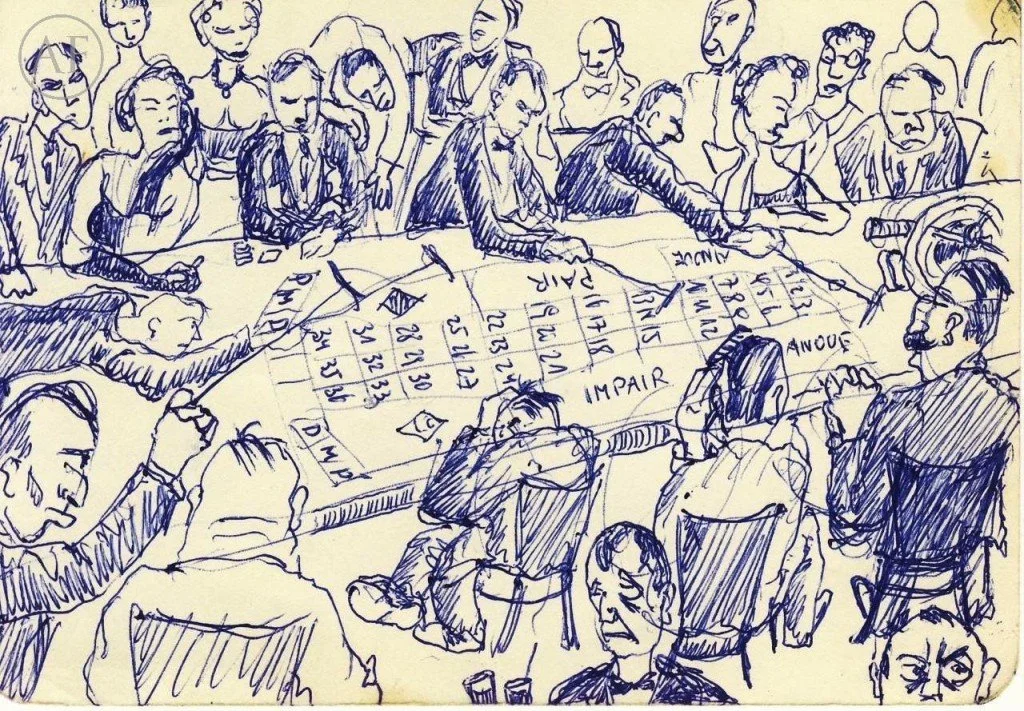
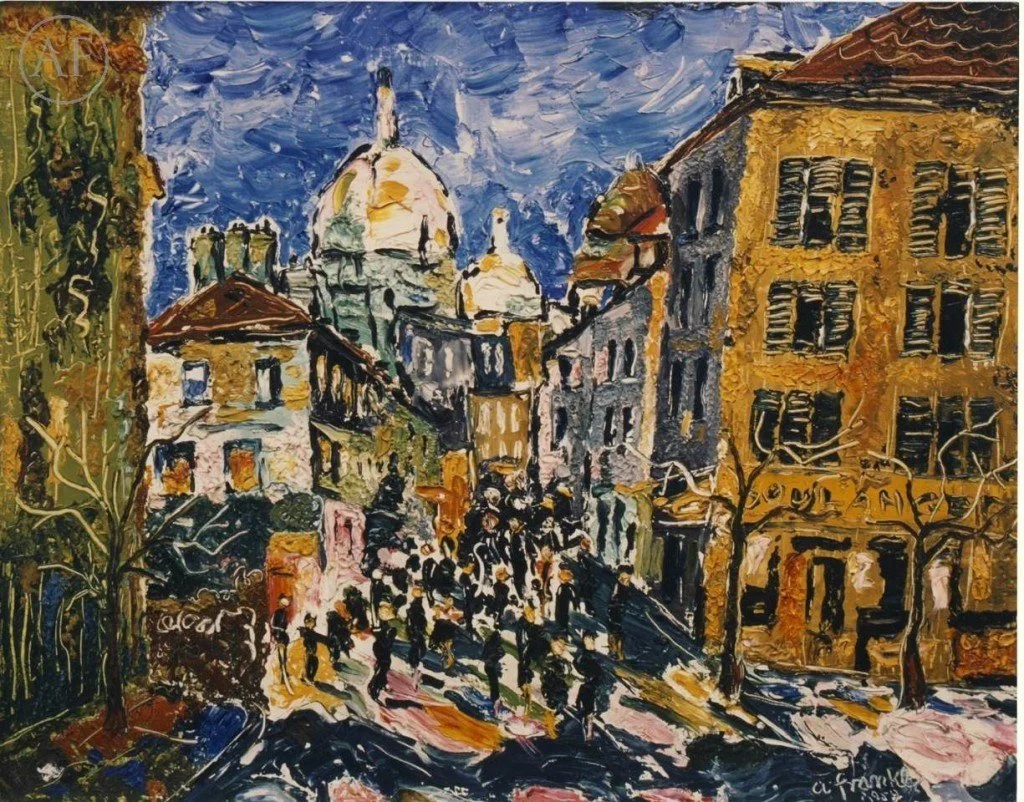
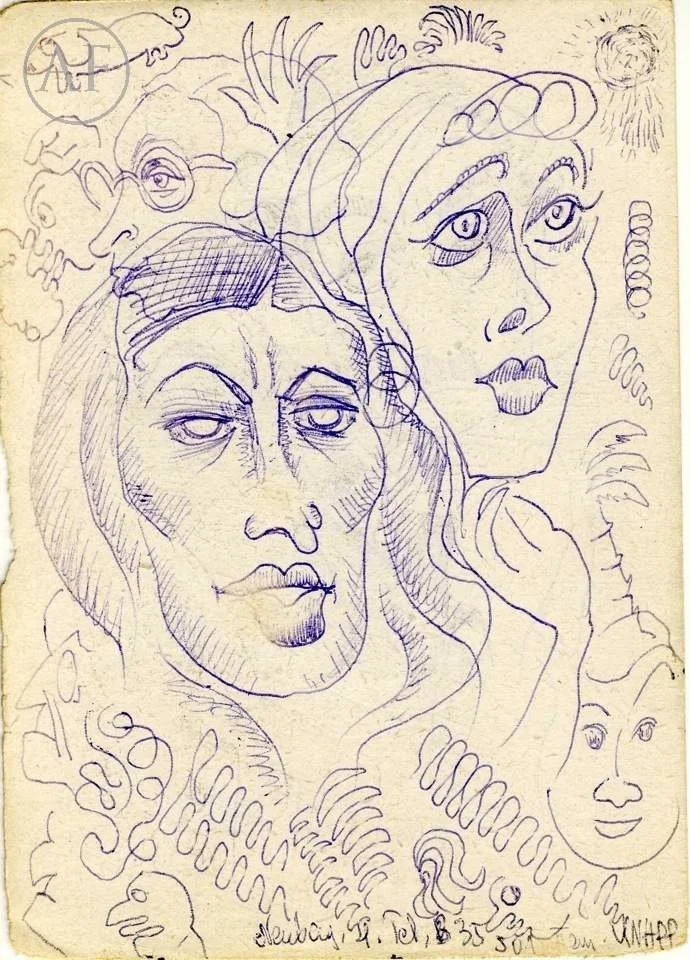
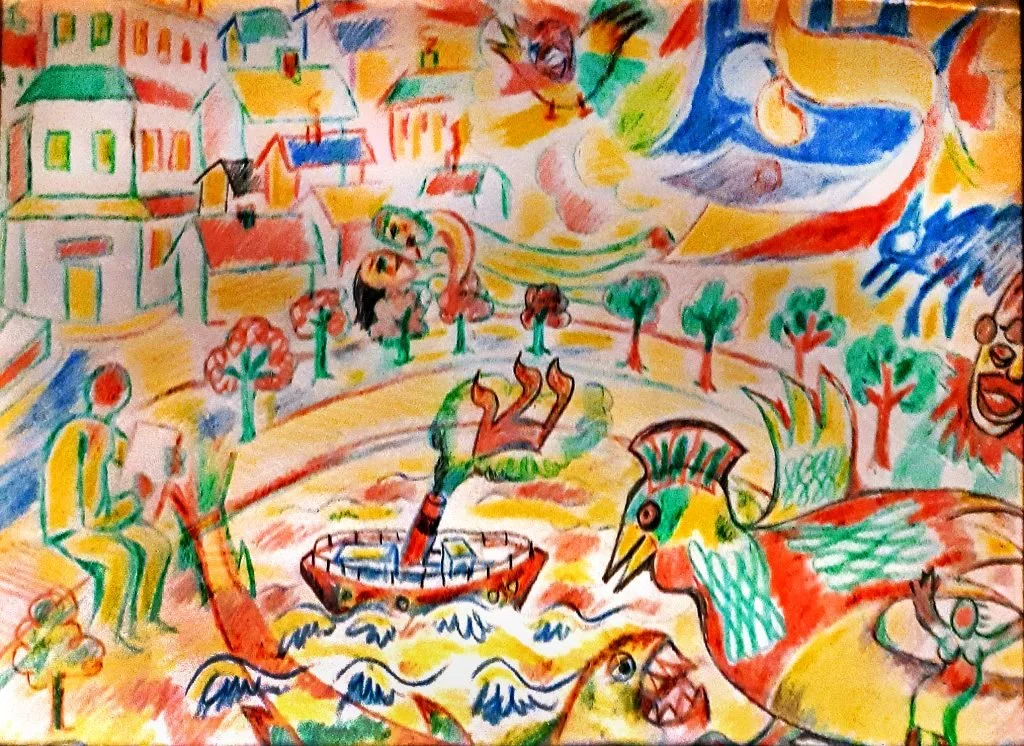
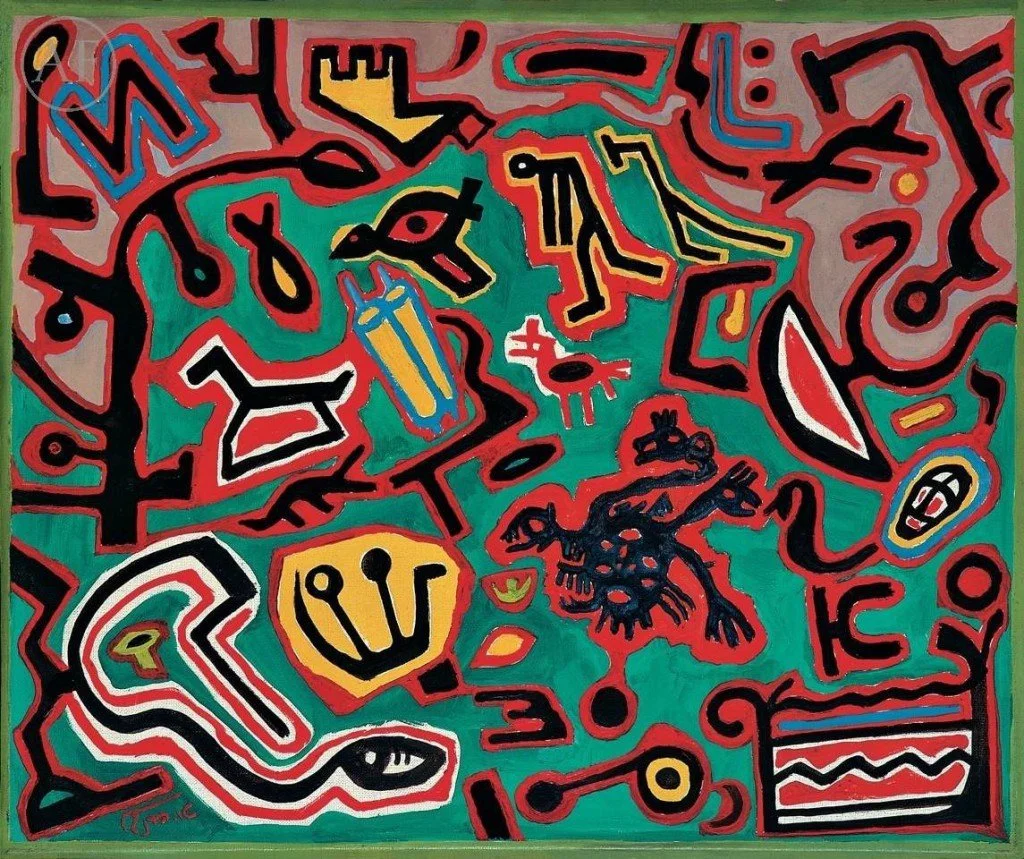
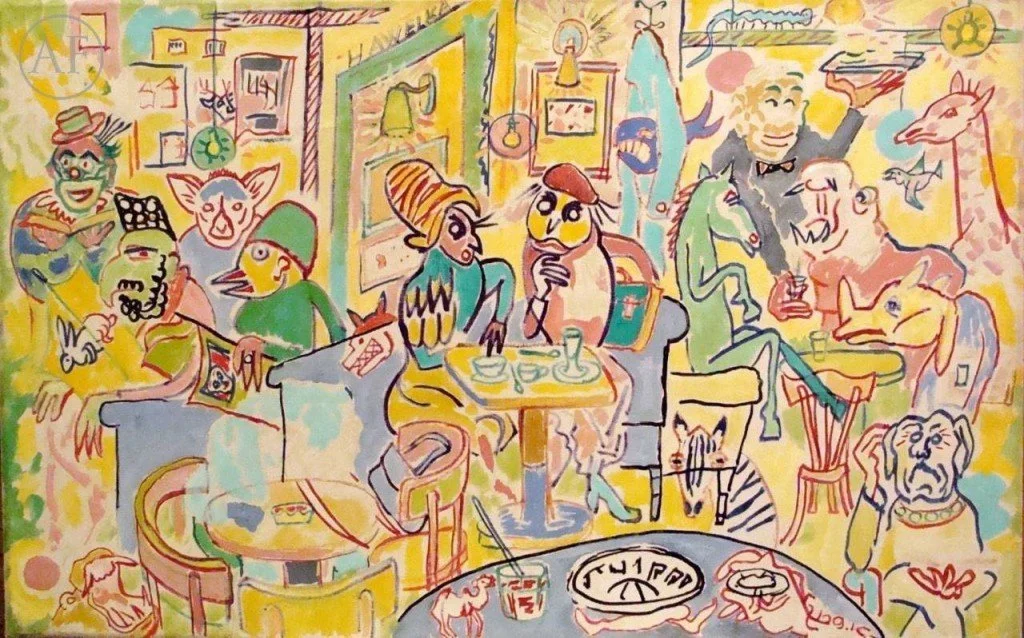
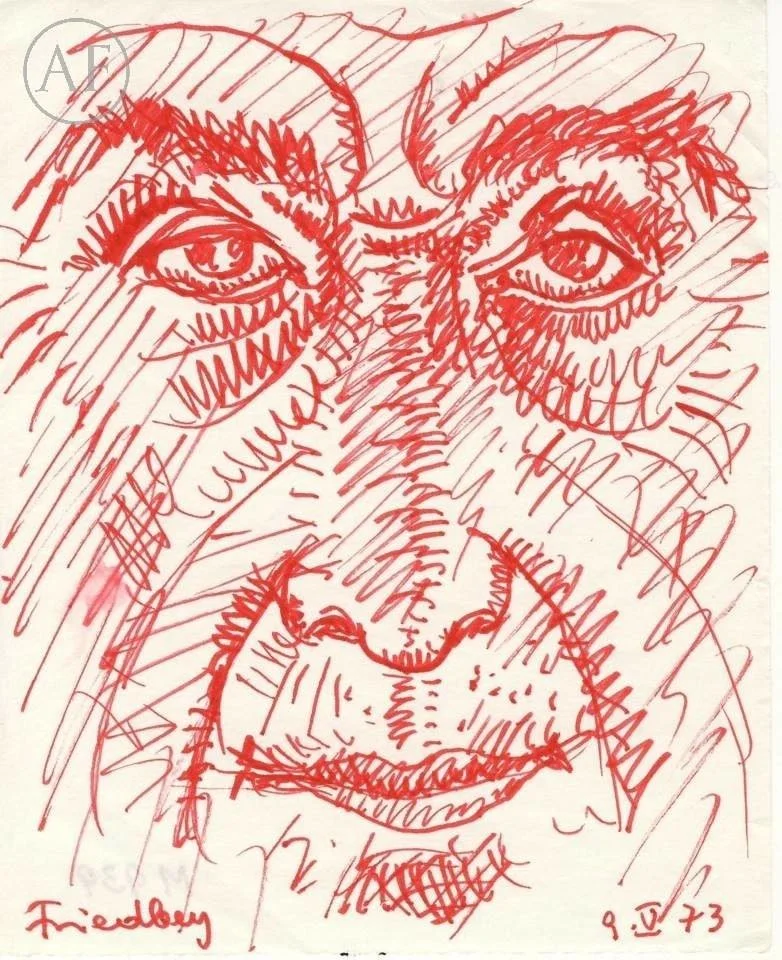
In addition to the series "Visions from the Inferno – Art Against Oblivion" countless drawings, watercolors, and caricatures were created between 1930 and 1982. He chose the subjects for his work from everyday Jewish life, coffee houses, train stations, courtrooms, and the Dorotheum, a well-known Viennese auction house.
Biography
1903
Born 12 February in Pressburg | Pozsony, Austro-Hungarian Monarchy, now Bratislava, Slovak Republic
1909-19
Attends elementary and secondary schools and graduates from high school
1920
Enrolls at the School of Arts and Crafts; studies under professors František Reichentál, Gustáv Mallý, Ľubo Fulla and Jozef Vydra in Bratislava, then Czechoslovakia.
Studies several semesters at the Technical University in Brno, then Czechoslovakia, now Czech Republic
Works on a part-time basis as a posters artist and caricaturist
1921
Joins father’s interior decoration and upholstery accessories company
1933
Marries Renée Nachmias in Bratislava
1934
Birth of son Thomas
1936
Birth of daughter Erika
1937
Establishes his own interior decoration company
1939
After the proclamation of the First Slovak State, discriminatory acts and persecutions against the Jewish population in Slovakia
1940-41
Expropriation (Aryanization) of the firm, in accordance with the laws of the fascist Slovak State
1941
As of their sixth year, Jews forced by decree to wear a visible yellow Star of David outside their house. Likewise, a UŽ proof of identity (Central office of the Jewish community in Slovakia) had to be produced on demand.
1944
28 September: arrested in Bratislava with his entire family
29 September: deportation of Adolf Frankl to the concentration camp in Sereď, Slovakia
3-4 November: deported from Sereď to the Oświęcim-Brzezinka camp, Auschwitz-Birkenau,
Deutsches Reich, now Poland. Tattooed with the number B 14395
1945
18 January: evacuation of Auschwitz-Birkenau
Death march in the direction of Gleiwitz, then Deutsches Reich, now Gliwice, Poland
Survived the typhoid barrack at Althammer, an external camp of Auschwitz, then Deutsches Reich, now Stara Kuźnia, Poland
27 January: liberated by the Red Army in Althammer | Stara Kuźnia
24 April: Returns to Bratislava
Starts the cycle, ”Visions from the Inferno – Art Against Oblivion”
1946
Re-establishes his company
1947
Birth of son Ján
1948-49
Nationalization of his re-established company by the Communist regime
1949-50
Emigrates with his family to Vienna, Austria
Resides in Vienna, New York and, since the Sixties, in Germany
1983
Dies 18 August in Vienna, Austria
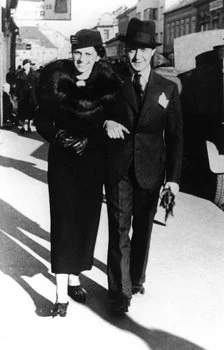
With his wife 1932
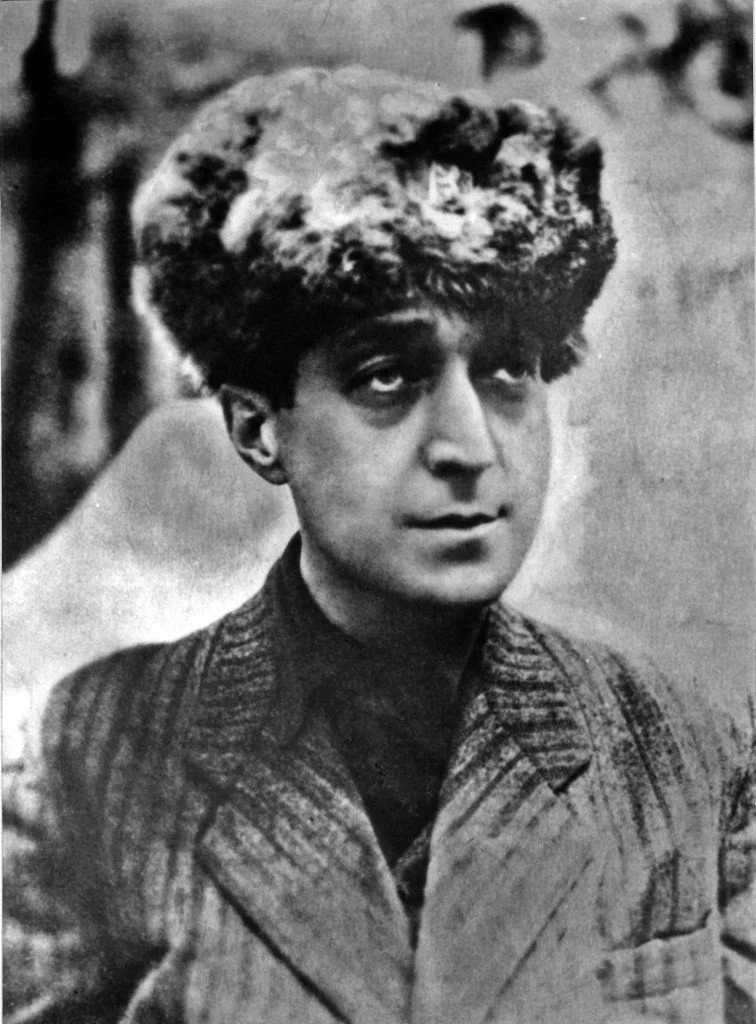
After his homecoming 1945
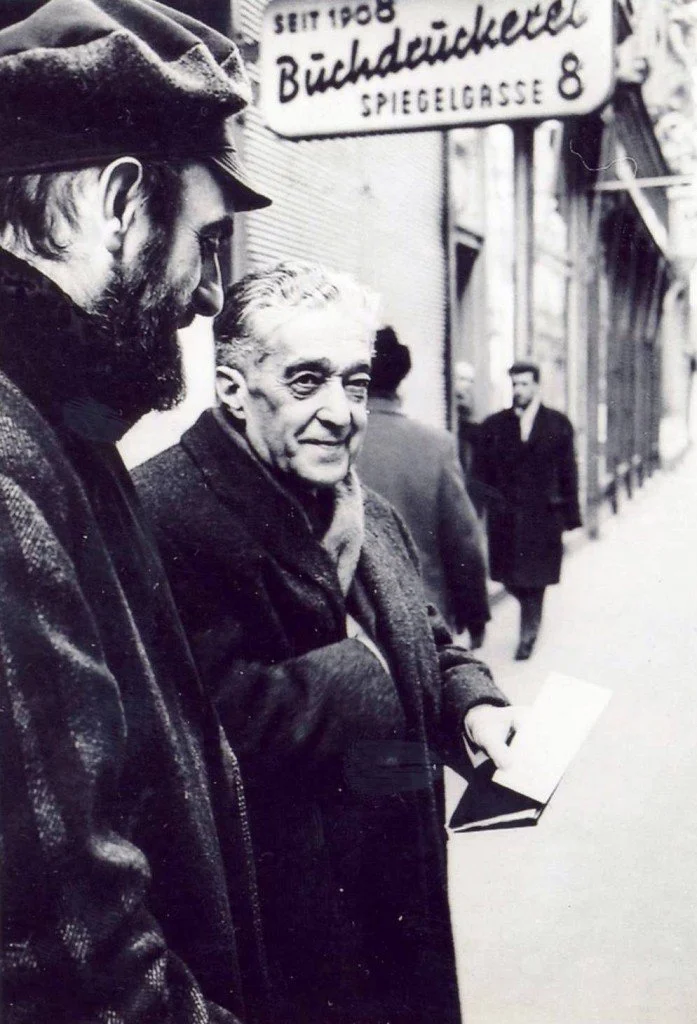
With Friedensreich Hundertwasser